
Timeline of Lindsey Graham’s Medical Emergency: From His Ukraine Trip to the 911 Call – Details
July 13, 2026



As the Super Bowl approaches, one performer is making headlines for more than just his music — sparking controversy, fan debate, and federal attention.
The countdown is on — and the stakes could not be higher. As the lights prepare to blaze and the eyes of the world turn toward San Francisco, Latin music superstar Bad Bunny is getting ready to step onto the biggest stage of his career: the Super Bowl LX Halftime Show.

Bad Bunny performs during his 'La Nueva Religión' tour at the Oracle Arena in Oakland, California, on August 26, 2018 | Source: Getty Images
But behind the glitter, fireworks, and thundering bass lies a storm of political tension, cultural symbolism, and raw controversy that has already set the internet ablaze.
Many expect the Grammy-winning performer to once again use the moment to speak out against immigration enforcement, a move that has already ignited fierce debate across social media and political circles alike. Despite the uproar, the NFL is standing firm.

Bad Bunny performs during his "No Me Quiero Ir De Aquí" residency at El Choli in San Juan, Puerto Rico, on July 11, 2025 | Source: Getty Images
League officials insist the decision reflects the unstoppable global rise of Latin music and the NFL's aggressive push into international markets. According to Spotify, Latin music now accounts for 27 percent of all streams, up from just eight percent ten years ago.
Bad Bunny himself was the platform's most-streamed artist in 2025, with 19.8 billion streams. "It was absolutely a market decision," said Jorell Meléndez-Badillo, a Latin American studies professor who has worked with Bad Bunny on past projects.
"The NFL wants to expand internationally... he has a huge following in the United States, but this stage will also be amplified internationally by having someone like him," he added.

Bad Bunny performs with dancers during his residency show in San Juan, Puerto Rico on July 11, 2025 | Source: Getty Images
Bad Bunny's halftime performance will cap off a whirlwind year for the artist born Benito Antonio Martínez Ocasio. Between a sold-out residency in Puerto Rico and appearances in two major films — "Happy Gilmore 2" with Adam Sandler and "Caught Stealing" with Austin Butler — the star has been seemingly everywhere.
Forbes estimates his 2025 earnings at $66 million before taxes and fees, placing him at No. 10 among the world's highest-paid musicians.

Bad Bunny performs during his 'Debí Tirar Más Fotos' world tour in Mexico City on December 11, 2025 | Source: Getty Images
Despite the jaw-dropping numbers, Bad Bunny will not be paid for the Super Bowl. Like many headliners before him, he will perform for free — aside from a union-minimum fee, which under the latest SAG-AFTRA contract comes to about $1,000 per day — in exchange for exposure that money cannot buy.
Last year's halftime show averaged 133.5 million live viewers. On YouTube, it surged past 157 million views. The payoff can be enormous. After Kendrick Lamar's Super Bowl set in 2025, streams of his hit song "Not Like Us" skyrocketed by 430 percent. He followed that momentum with a tour that grossed nearly $360 million.
Bad Bunny may be hoping for similar results — but not without stepping directly into controversy.

Bad Bunny performs during his 'Un Verano Sin Ti' concert in San Juan, Puerto Rico on July 28, 2022 | Source: Getty Images
In September 2025, the singer explained why he skipped U.S. cities on his world tour. "There were many reasons why I didn't show up in the U.S., and none of them were out of hate," he said. One major reason? Fear that ICE "could be outside" his concerts.
That anxiety spilled onto one of music's most prestigious stages on Sunday, February 1. When Bad Bunny accepted Album of the Year at the 2026 Grammy Awards for "Tirar Más Fotos," his remarks went far beyond music. The historic win marked the first time a Spanish-language album claimed the ceremony's top honor.

Bad Bunny attends Columbia Pictures' "Caught Stealing" premiere at Regal Union Square in New York City on August 26, 2025 | Source: Getty Images
As he took the stage, he addressed U.S. Immigration and Customs Enforcement directly. "ICE out!" he said to the audience. "We're not savage, we're not animals, we're not aliens. We are humans, and we are Americans."
The room erupted in a standing ovation. Bad Bunny, who had been nominated in 16 categories and won six Grammys that night, continued with an emotional reflection on the nation's mood. He said it can be difficult "not to hate these days," using the Spanish word "contaminado," which he explained means "contaminated" in English.
He closed with a message of defiance and hope, saying that "the only thing that is more powerful than hate is love." Those words only intensified scrutiny as he prepares to headline the Super Bowl LX Halftime Show in February.
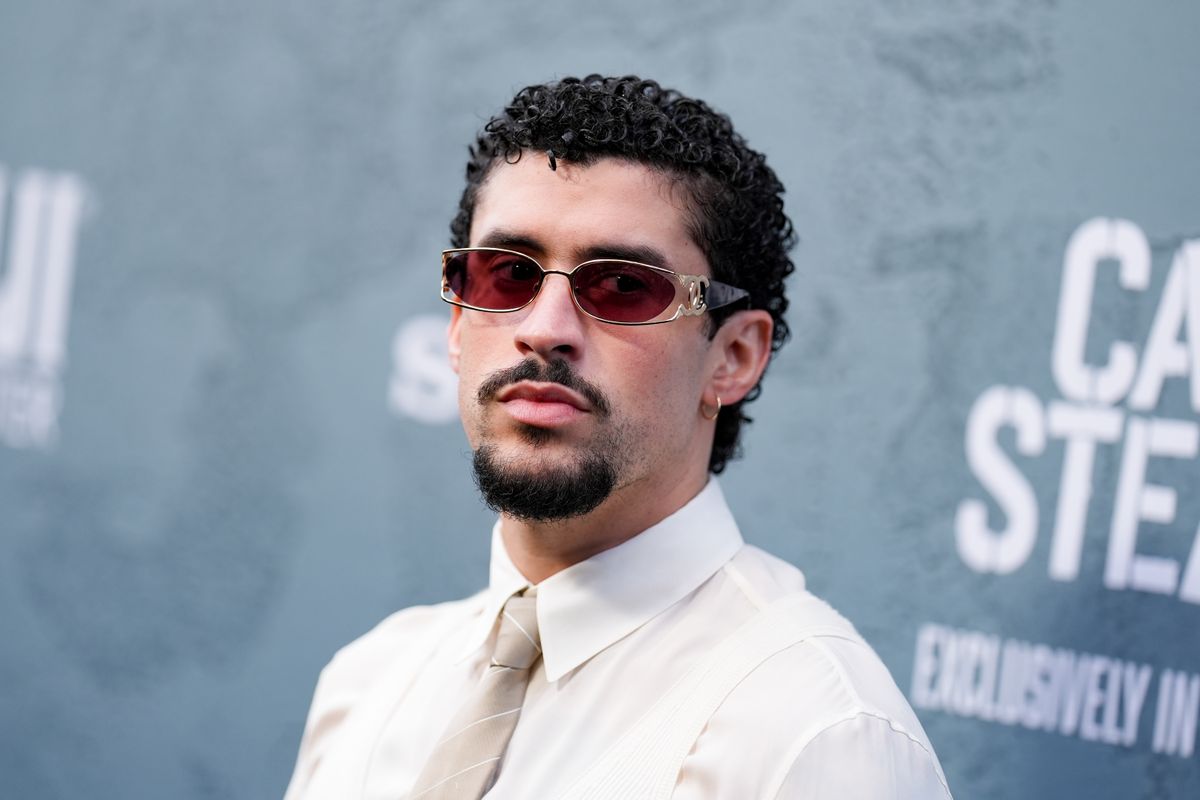
Bad Bunny at the Columbia Pictures "Caught Stealing" New York Premiere held at Regal Union Square on August 26, 2025 in New York, New York. | Source: Getty Images
The controversy has drawn in figures far beyond the world of sports. In October 2025, during an appearance on "The Benny Show" podcast, political adviser Corey Lewandowski was asked whether immigration enforcement would take place at the Super Bowl, specifically during Bad Bunny's halftime performance.
"There is nowhere you can provide safe haven to people who are in this country illegally," Lewandowski said. "Not the Super Bowl and nowhere else. We will find you and apprehend you and put you in a detention facility and deport you."

An ICE officer's badge is shown attached to a tactical vest | Source: Getty Images
He doubled down, calling it a core federal priority. "So know that is a very real situation under this administration, which is contrary to how it used to be," he added. The remarks fueled fears that ICE agents would be active during the Super Bowl, alarming advocacy groups and local officials as February approaches.

Community members and protesters gather near the site of the ICE-involved fatal shooting in Minneapolis | Source: Getty Images
Bad Bunny has been unapologetically outspoken in his criticism of the Trump administration — a stance that has only intensified the controversy surrounding his Super Bowl spotlight.

President Donald Trump is in a phone conversation with Greg Kelly on "Greg Kelly Reports, from a video post dated October 7, 2025 | Source: YouTube/ Newsmax
In October 2025, the backlash reached the Oval Office itself. During a Monday appearance on "Greg Kelly Reports," President Donald Trump weighed in on the NFL's decision to select Bad Bunny as the Super Bowl halftime performer, making his disdain unmistakably clear.
"I never heard of him. I don't know who he is. I don't know why they're doing it. I think it’s absolutely ridiculous," Trump said.
As if the political tension were not enough, Bad Bunny is also facing serious legal trouble off the field. The artist has been hit with a $16 million lawsuit filed in Puerto Rico by Tainaly Y. Serrano Rivera. She alleges that a voice recording she made was used in two of his songs without her permission.
According to reports by Rolling Stone and Billboard, the clip appears in "Solo de Mi" from his 2018 album "X100pre," and again in "EoO" from his 2025 album "Debí Tirar Más Fotos."
In the recording, Rivera says, "Mira, puñeta, no me quiten el perrero," a phrase she claims has become inseparable from Bad Bunny's brand, played at live shows and printed on merchandise.
Rivera says she never signed a contract and was never told her voice would be used commercially. She claims the recording was made at the request of Bad Bunny's longtime producer, La Paciencia, whose real name is Roberto Rosado, in 2018.
The lawsuit accuses Bad Bunny and his label, Rimas Entertainment, of violating her privacy and publicity rights. A court hearing is expected in May.
Public reaction to the announcement that Bad Bunny will headline the Super Bowl halftime show has been sharply divided online. Some users offered blunt disapproval. "Bad Bunny is a bad idea," one commenter wrote. Others leaned into humor or spectacle. "Super Bowl halftime show just got a whole lot spicier," another posted.

A Super Bowl LX sign is seen at Civic Center Plaza in San Francisco, Friday, Jan. 30, 2026. | Source: Getty Images
The possibility of immigration enforcement at the event also fueled anxiety and speculation, with some drawing direct connections between the performer and security plans. "ICE at the Super Bowl?" one person asked.
Together, the reactions capture the combustible mix of fame, politics, culture, and controversy surrounding Bad Bunny's selection — and underscore why his Super Bowl moment may be remembered for far more than music alone.
Timeline of Lindsey Graham’s Medical Emergency: From His Ukraine Trip to the 911 Call – Details
July 13, 2026
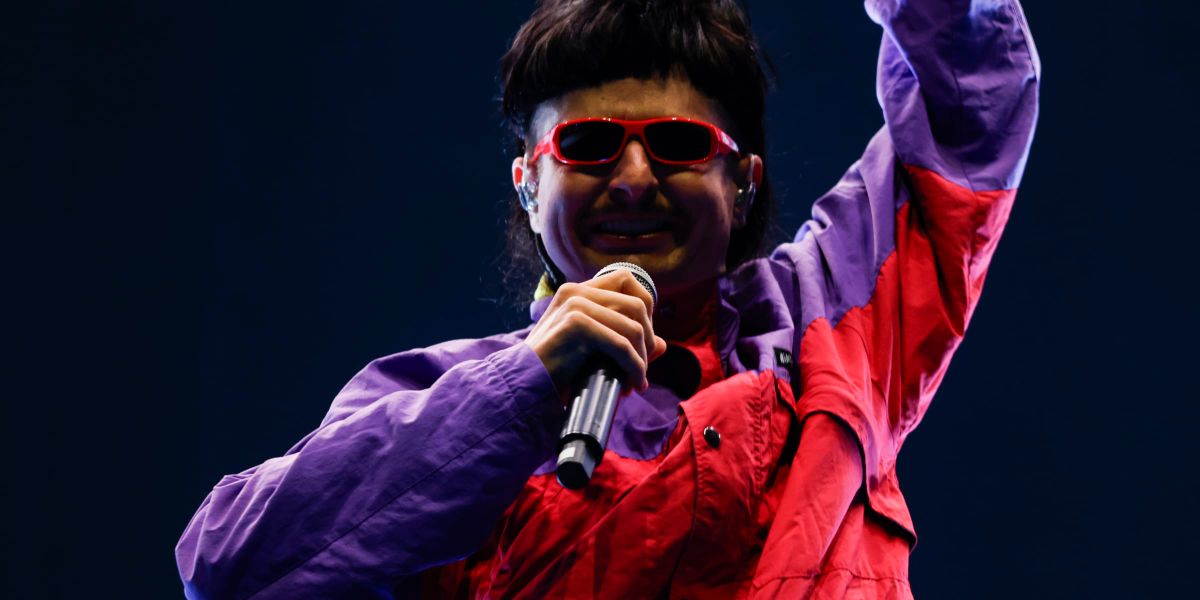
Oliver Tree's Resurfaced Record Label Video Sparks Debate as Fans Point to One Detail They Can't Ignore
June 15, 2026

Wiz Khalifa on How Independent Artists Are Competing Against Million-Dollar Budgets
July 01, 2026
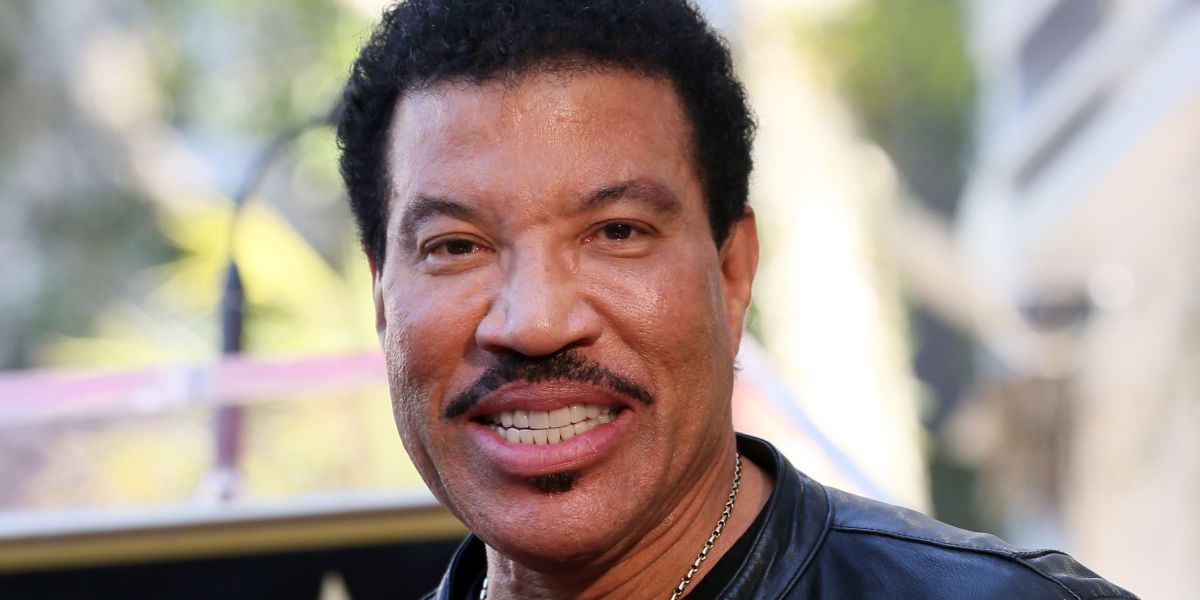
Lionel Richie, 77, Rushed to Hospital Mid-Concert After Pausing His Performance — Fans React
June 26, 2026

Inside the Rap Beef: The Two Letters That Made Kanye West Lose It on Wiz Khalifa
June 24, 2026

Lindsey Graham, 71, Dies After Sudden Illness — Images Taken Outside His Home — Photos
July 13, 2026

Sen. Lindsey Graham Called His Scheduler Instead of 911 Before His Death, Saying 'I'm Having Chest Pains. I Need to Do Something'
July 15, 2026

Usha Vance Proves She's a 'Savvy Shopper' After She and Husband JD Vance Spark Lack of Chemistry Rumors — Video
June 25, 2026
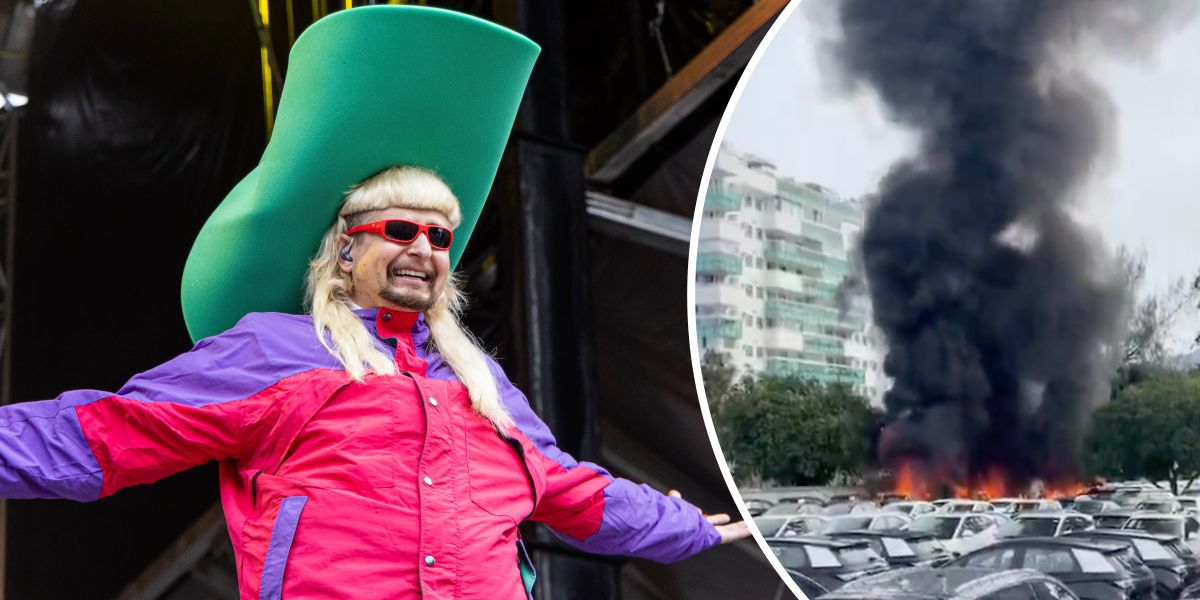
American Singer Oliver Tree, 32, Among 6 Dead in Rio Helicopter Collision — Here's What We Know
June 14, 2026
Donald Trump's Hair at His Las Vegas Rally Looked Noticeably Different from the Day Before — Photos
August 06, 2026

Shortly Before He Passed Away, Lindsey Graham Made a Poignant Remark While He Was Feeling Unwell – Details
July 14, 2026