
This 'Rab C. Nesbitt' Star, 72, Stunned Netizens as He Appeared Unrecognisable After Dramatic Weight Loss Transformation – Photos
May 01, 2026



With the transatlantic alliance under strain and divisions brewing within his own party, the PM used a high-stakes statement in Parliament to draw a red line. Watch a key moment from his address in the clip at the end of this article.
Keir Starmer stepped into the Commons on March 2, 2026, facing pressure from Washington, unrest on his own benches, and a volatile situation in the Middle East that threatened to test Britain's alliances.
By the time he sat down, he had delivered a clear message — the UK would not be drawn into offensive strikes on Iran, and the Prime Minister was prepared to absorb the fallout.
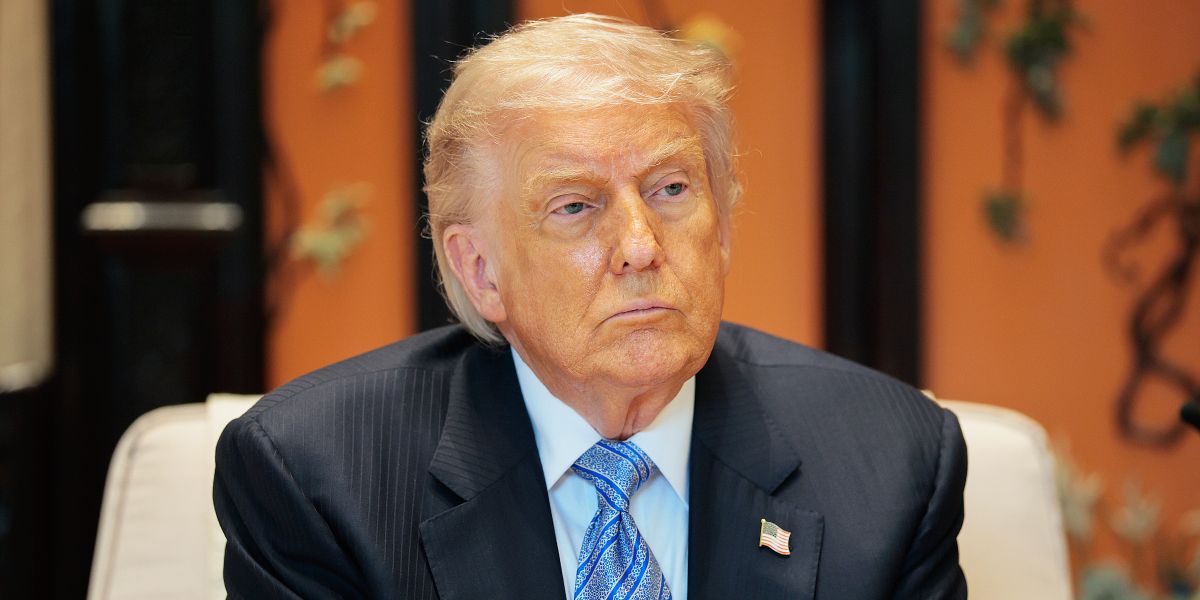
Starmer confirmed that President Donald Trump had objected to Britain's refusal to join the initial wave of US action. A widely shared clip from the chamber captured him addressing that disagreement directly.
He said, "President Trump has expressed his disagreement with our decision not to get involved in the initial strikes, but it is my duty to judge what is in Britain's national interest. That is what I've done, and I stand by it."
That assertion — delivered without hesitation — came after Trump publicly declared he was "very disappointed" and accused Starmer of taking "far too long" to adjust his stance on allowing American forces to operate from British bases.
The US president also suggested that the UK's early reluctance to participate was without precedent, raising questions about the state of the transatlantic alliance at a critical moment.
Yet Starmer made clear that Britain's position had been shaped by caution rather than confrontation. He rejected the idea of what he described as regime change imposed from the air and reiterated that the UK would not join the US-Israeli strikes.
He told MPs, "The use of British bases is limited to the agreed defensive purposes... We are not joining the US-Israeli strikes."
The distinction is central to Downing Street's defence. Over the weekend, after Tehran launched drones and missiles at states in the region, the Government authorised US forces to use UK bases strictly for defensive operations against potential Iranian retaliation.
Ministers have denied that this amounts to a reversal, pointing out that Britain neither participated in the original strikes nor endorsed them.
Inside the chamber, Starmer widened the lens. He warned that international crises now reverberate quickly at home — pushing up prices, unsettling communities, and fuelling anxiety.
Any response, he argued, had to meet two tests — legality and viability. Invoking the shadow of Iraq, he stressed that military decisions must rest on a lawful basis and a credible plan.
The Prime Minister remarked, "The lessons of history has taught us that it is important when we make decisions like this that we establish there is a lawful basis for what the United Kingdom is doing. [...] And there is a viable thought-through plan with an objective that can be achieved."
Alongside the foreign policy recalibration, Starmer confirmed that security measures would be strengthened at Jewish and Muslim places of worship across the UK, acknowledging the domestic tensions that can follow overseas conflict.
He also repeated that Britain would act to protect its nationals in the region and support allies in collective self-defence, while continuing to call for diplomacy. Politically, however, the balancing act is fraught. Some Labour MPs have privately welcomed the refusal to take part in offensive action.
Others are said to be furious that US forces will still be able to operate from British soil, even in a defensive capacity. The Prime Minister is therefore navigating not only a diplomatic dispute abroad, but a party divide at home.
Online, reaction has been just as polarised. Those backing Starmer saw his stance to be long overdue, as one person said, "He's got this one right.. [sic] at last!"
Another shared, "For the first time ever I agree with him. He showed he has guts to stand up for the people of Britain." A third commented, "Now that's a real man," while a fourth person typed, "That'll be a first, putting Britain first!"
Critics, meanwhile, predicted turmoil. One person wrote, "Guys I need some popcorn.... its gonna get bad [sic]." Another said, "Starmer is as unstable as water."
A third urged, "Stay in the uk. Stay safe! Don't put your nose in others matters [sic]," and a final netizen claimed, "starmer has just signed his resignation letter.....dark forces will trigger a general election....thank god [sic]."
For now, Sir Keir Starmer's position is clear — no participation in offensive strikes, limited cooperation on defence, and a renewed push for talks. Whether that formula steadies relations with Washington — and calms dissent within Labour — will depend on how events unfold in the days ahead.
This 'Rab C. Nesbitt' Star, 72, Stunned Netizens as He Appeared Unrecognisable After Dramatic Weight Loss Transformation – Photos
May 01, 2026

Images of President Trump Observing Operation Epic Fury from Mar-a-Lago Ignited a Stir
March 03, 2026

His Majesty Leads the Largest Public Gathering of Royals Since Andrew's Arrest - Photos
March 11, 2026

Aaron Spencer, Who Killed a Man, Becomes an Arkansas Sheriff – What You Should Know About His Story
March 05, 2026

Katie Price Reveals Doctor's Explanation on Her Extreme Weight Loss
March 18, 2026

The King Reportedly Preparing Major Offer for Prince Harry and Meghan Six Years After Royal Exit – Details
March 06, 2026

British Woman, 61, Left in Debt After Spending Thousands on 26-Year-Old Egyptian Pastry Chef She Met on TikTok
March 05, 2026

ITV Changes the Live 'Britain's Got Talent' Schedule as Fans Urge Channel Bosses to Ban Controversial Acts After Fakir Testa's Performance with Simon Cowell — Video
April 20, 2026

'Britain's Got Talent' Star Susan Boyle, Who Lived in a Modest Council House Despite Her Million-Pound Fortune, Stuns Fans as She Moves to a New Home — First Photo from There
April 03, 2026

AI Reveals What Katie Piper Would Look Like at 42 If the Acid Attack Had Never Happened — 4 Stunning Photos
April 29, 2026
Donald Trump Shares Health Update After 4th Public Hospital Visit — Photos
May 27, 2026