
Jill Biden Reveals the One Nighttime Symptom She Flagged to White House Doctors Before Joe's Diagnosis
August 06, 2026



A deadly virus that has claimed dozens of lives is no longer just a distant headline — it has now reached an American citizen for the first time in this outbreak.
A US doctor working on the front lines of a growing epidemic has tested positive for one of the world's most feared diseases, and world health leaders are sounding the alarm.

A poster displaying Ebola emergency contact numbers is pinned to a tent at the Busunga border crossing between Uganda and the Democratic Republic of Congo in Bundibugyo, on May 18, 2026. | Source: Getty Images
The World Health Organization officially declared the Ebola outbreak in the Democratic Republic of Congo and Uganda a Public Health Emergency of International Concern on May 17, 2026. Days later, it emerged that an American had become infected — the first US citizen caught up in this rapidly escalating crisis.
The infected American has been identified as Dr. Peter Stafford, a medical missionary working with Serge, an international Christian missions organization that operates in 29 countries.
Peter had been treating patients at Nyankunde Hospital in Bunia, DRC, where he had served since 2023, when he was exposed to the virus. He began developing symptoms over the weekend and tested positive on Sunday, May 18.
Peter is one of three Serge medical missionaries who were present in the region when the outbreak began. His wife, Dr. Rebekah Stafford, and colleague Dr. Patrick LaRochelle remain asymptomatic.
All three have strictly followed quarantine protocols since the potential exposure. The group, which includes Peter and Rebekah's four young children, is being moved out of DRC for continued monitoring and specialized medical care.
Joel Hylton, Serge's Senior Director of Mission, said the organization is "profoundly grateful for their dedication to the people of the DRC," adding, "We deeply lament the hardship they are enduring under this current threat. Our concern extends equally to our Congolese colleagues and friends in the region who face these same risks."
The Trump administration confirmed that Peter will not be brought back to the United States for treatment. Instead, he is being transferred to Germany, which has prior experience caring for Ebola patients and offers a significantly shorter flight time from Central Africa.
High-risk contacts associated with his exposure are also being relocated to Germany for monitoring.

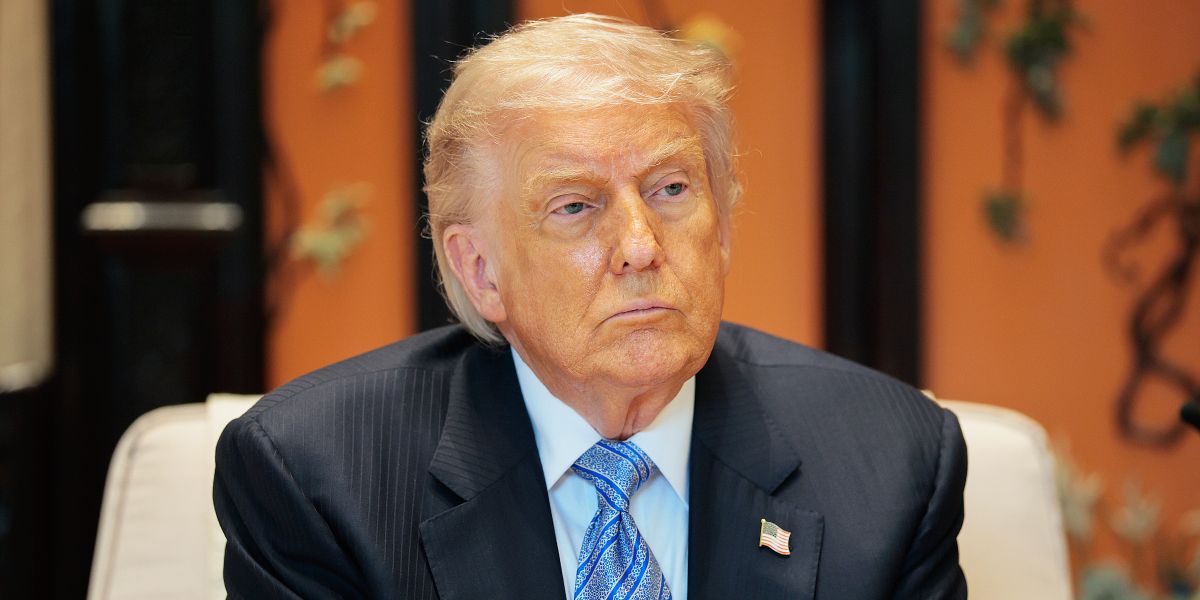
President Donald Trump takes questions from the press during a healthcare affordability event in the South Court Auditorium of The White House on May 18, 2026 in Washington, DC. | SOurce: Getty Images
At a press briefing, President Donald Trump was asked whether Americans should be worried. "I'm concerned about everything," he said. "But certainly am, I think that it's been confined right now to Africa, and but it's something that has had a breakout."
He then handed over to Dr. Heidi Overton, deputy director of the White House Domestic Policy Council, to provide further details on the government's response.
On May 18, the CDC, the Department of Homeland Security, and other federal agencies issued a 30-day Title 42 order suspending entry into the United States for non-US passport holders who have been in Uganda, DRC, or South Sudan within the previous 21 days.
The measure is intended to protect Americans from the risk of Ebola being introduced into the country while the government conducts a full public health risk assessment and develops a broader containment strategy.

A nurse holds a vial of the Ebola Sudan vaccine during the launch of an Ebola trial vaccination campaign at Mulago Referral Hospital in Kampala, Uganda, on February 3, 2025. | Source: Getty Images
The CDC is also enhancing health screening and traveler monitoring for arrivals from the three affected countries, coordinating with airlines and port-of-entry officials, and boosting hospital readiness and laboratory testing capacity nationwide.
As of May 18, there are 11 confirmed cases and 336 suspected cases in DRC, including 88 deaths. Uganda has reported 2 confirmed cases, including 1 death, both in individuals who had traveled from DRC. No further spread within Uganda has been reported.

A visitor has their temperature checked by a health worker using a thermoflash before entering Kyeshero Hospital at a checkpoint for temperature screening for all visitors and patients entering Kyeshero Hospital, as part of Ebola prevention measures in Goma on May 18, 2026. | Source: Getty Images
The outbreak began in early May when a hospital in Bunia's health zone flagged a cluster of severe illnesses among healthcare workers. Initial tests came back negative for Ebola, but by May 15, lab results confirmed the presence of the Bundibugyo virus — one of four types of orthoebolaviruses known to cause Ebola disease in humans.
The epicenter is Mongwalu, roughly 25 miles north of Bunia, though suspected cases have also been reported in North Kivu and other health zones across Ituri Province.

A visitor has their temperature checked by a health worker using a thermoflash before entering Kyeshero Hospital at a checkpoint for temperature screening for all visitors and patients entering Kyeshero Hospital, as part of Ebola prevention measures in Goma on May 18, 2026. | Source: Getty Images
Bundibugyo virus carries a historically high fatality rate of between 25% and 50%. There is currently no approved vaccine for this strain, and treatment is limited to supportive care.
Symptoms include fever, severe headache, vomiting, abdominal pain, nosebleeds, and vomiting blood. In DRC, the majority of cases so far have been in people between the ages of 20 and 39, with two-thirds of patients being female.

Staff members at CBCA Virunga Hospital prepare rooms intended for possible suspected Ebola cases following official announcements in Goma, DRC, on May 17, 2026. | Source: Getty Images
This is the 17th recorded Ebola outbreak in DRC since 1976. The most recent previous outbreak ended in December 2025. There have only been two prior outbreaks caused specifically by the Bundibugyo strain — one in Uganda in 2007 and one in DRC in 2015.
The CDC has stressed that the risk to the general American public remains low, but has urged travelers to the affected region to avoid contact with sick individuals, report symptoms immediately, and follow official travel guidance.
For those already in affected areas, the agency recommends strict adherence to infection prevention protocols and immediate consultation with medical authorities if symptoms develop.

The information in this article is not intended or implied to be a substitute for professional medical advice, diagnosis or treatment. All content, including text, and images contained on news.AmoMama.com, or available through news.AmoMama.com is for general information purposes only. news.AmoMama.com does not take responsibility for any action taken as a result of reading this article. Before undertaking any course of treatment please consult with your healthcare provider.
Jill Biden Reveals the One Nighttime Symptom She Flagged to White House Doctors Before Joe's Diagnosis
August 06, 2026

Lindsey Graham Dead at 71 — Medical Examiner Releases Preliminary Findings
July 12, 2026

Michelle Obama Celebrates Daughter’s Birthday With Heartfelt Tribute and Stunning Family Photo
June 11, 2026

Nivea Reveals She Went Through Two Procedures Before Doctors Could Confirm What's Wrong with Her — and She's Sharing Her First Update
July 24, 2026

'Emily in Paris' Actor Passed Away at 69 Following ALS Diagnosis – Who Was He?
May 28, 2026

John Travolta's Changed Appearance Sparks Buzz – Experts Discuss Possible Cosmetic Procedures
May 18, 2026

Donald Trump's Health Under Scrutiny Again After Fourth Medical Exam – What We Know
May 27, 2026

'The Sopranos' Cast Then and Now: Where Tony, Carmela, and the Famiglia Are Today — Photos
August 03, 2026

Senator Mitch McConnell Seen on a Stretcher in Ambulance Video — Witnesses Detail What They Noticed About His Feet
July 11, 2026
Donald Trump Shares Health Update After 4th Public Hospital Visit — Photos
May 27, 2026

Mitch McConnell Finally Addresses His Hospitalization After Weeks of Silence — And Reveals What Really Happened
July 12, 2026