
Lindsey Graham's Sister Reveals Her Decision After Trump Personally Asked Her to Run
July 23, 2026


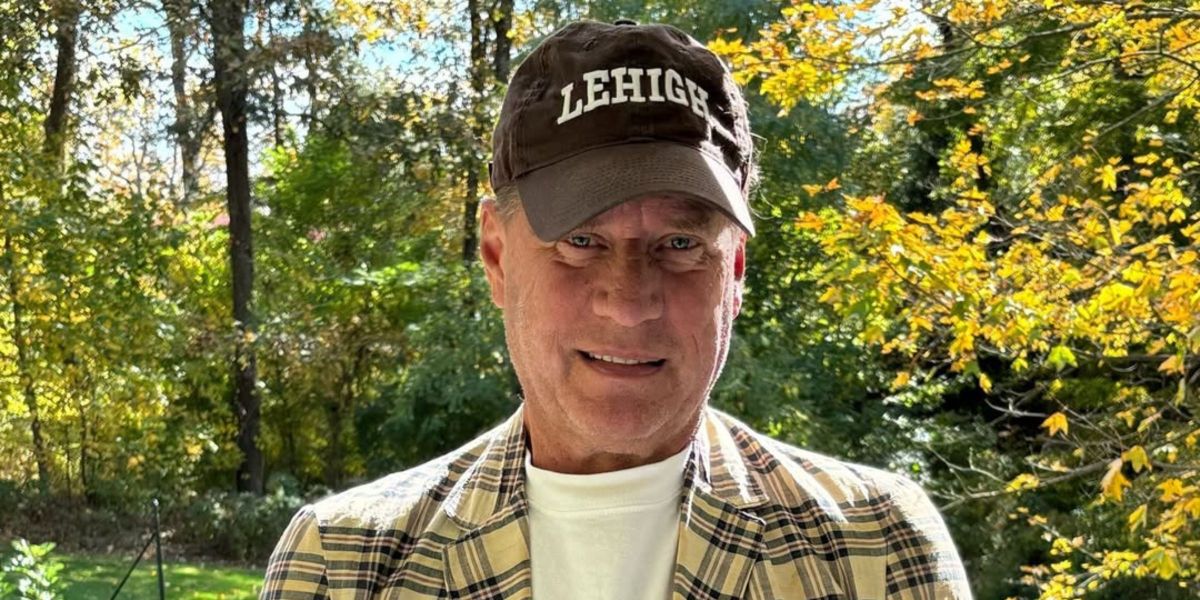

William Trump's life story sits at the center of his father's mission to improve understanding and support for families facing similar challenges.
Fred C. Trump III spent decades preparing for a moment when his family's name could serve a meaningful purpose. That moment arrived, and he stepped forward to champion disability awareness through his son William Trump's story.
Fred, a nephew of President Donald Trump, reintroduced himself to the public with the release of "All in the Family: The Trumps and How We Got This Way." "This book is an honest portrayal of power, love, money, cruelty, and the unshakable bonds of family," an author description highlights the breadth of themes in it.
The book touches on his memories of growing up within the famous family. It blends this with the reality of raising a child, William, who has complications from a rare genetic mutation.
He explained that he and his wife, Lisa, entered unfamiliar territory when their son, William, was born. Their first two children had no health complications, and nothing predicted how different raising him would be.
William's early years were marked by relentless medical crises, the cause of which remained a mystery. "You talk about life-changing... when you have a child who has hundreds of seizures a day, like William did, where did they come from? Why were they here?" Fred wondered.
He described how Lisa spent roughly 15 years searching for answers before discovering that William's condition stemmed from a rare KCNQ2 genetic mutation. The diagnosis finally explained the severe developmental and intellectual disabilities that shaped his son's life.
In many ways, William experienced the joys of a typical teenager. He enjoyed swimming, snacking on peanut butter sandwiches, and playfully roughhousing with his older brother.
His wide blue eyes, untamed smile, and love for reggae music, introduced to him by a Jamaican caretaker, highlighted his vibrant personality. Ice cream remained one of his favorite treats.
Now a young adult, William is nonverbal and uses a wheelchair. Despite the challenges he faces, his father believes he carries a depth and presence that speaks to who he is beyond his disabilities.
Over two years ago, he moved into a specialized group home in Connecticut, where he receives continuous care. This transition allowed his parents to ensure he has the support he needs while living close enough for regular visits.
This change gave Fred space to consider his family's broader story and the role he could play in reshaping public views of disability. His book, while personal, was also intended as a guide for parents who suddenly find themselves navigating a world of medical uncertainty, emotional strain, and new expectations.
He wanted others to know that information and community exist even when circumstances feel overwhelming. Beyond sharing his own experience, Fred used the memoir to emphasize that disability rights must be prioritized at every level of society, including within government systems.
He underscored that people with profound disabilities lead meaningful lives, with inner worlds that deserve acknowledgment, respect, and protection.
With the visibility brought by his memoir and his last name drawing attention, Fred intensified his efforts to push for meaningful change within the disability community. He viewed his growing platform as an opportunity to speak boldly on behalf of families like his own.
Fred took it upon himself to hold elected officials and political candidates accountable for the responsibilities he believed they should share. Rather than treating his role as symbolic, he intended to use it to influence policy and spark conversations that have long been overlooked.
He identified three areas he wanted to see strengthened nationwide. His goal was to ensure improved training and financial support for caregivers as well as expanded and sustainable housing options for people with disabilities.
Fred sought earlier intervention through better training for medical professionals so conditions can be recognized and treated as soon as possible in a child's life.
He began engaging with lawmakers to highlight these priorities. His advocacy took him to an American Association of People with Disabilities event, where he outlined the changes he hopes the system will embrace. In each setting, he used his experiences with William to illustrate the realities families face.
William relies on a specialized communication device designed to help individuals with his condition interact more effectively with the world around them. Fred views this tool as crucial because it has the potential to expand his son's ability to express himself and engage with his surroundings.

William Trump with his trainer, from a post dated February 19, 2025 | Source: Instagram/fredtrump_
Although the technology exists, accessing professionals who are properly trained — and committed — to supporting its use has proven difficult.
Fred believes that stronger caregiver training programs and increased government funding would bridge this gap. It would also ensure that families like his can fully benefit from the resources available.

William Trump with his trainer, from a post dated February 19, 2025 | Source: Instagram/fredtrump_
Still, William benefited from a wide range of private care, including music and aquatic therapy, made possible by the other resources available to them. Fred recognized that these opportunities played a major role in his son's progress.
He was aware that William's level of functioning might not have been possible without access to such high-quality services. This is a reality that motivates his push to make similar support available to all families, regardless of income.
Hence, Fred and Lisa's commitment to supporting people with intellectual and developmental disabilities is deeply personal. Lisa and Fred married in 1989 and have built their life together in Connecticut. At the time of their wedding, Lisa, the daughter of Suzanne and Reginald J. Lorant, was 28.
Meanwhile, Fred, the son of Linda Trump and a grandson of Trump family patriarch Frederick Trump Sr., was 26. Fred earned a bachelor's degree in economics from Lehigh University in 1984, and Lisa completed her studies at Ithaca College.
Today, they remain united in their cause. Lisa and Fred have dedicated their lives to advocating for families and individuals navigating the challenges of intellectual and developmental disabilities.

The information in this article is not intended or implied to be a substitute for professional medical advice, diagnosis or treatment. All content, including text, and images contained on news.AmoMama.com, or available through news.AmoMama.com is for general information purposes only. news.AmoMama.com does not take responsibility for any action taken as a result of reading this article. Before undertaking any course of treatment please consult with your healthcare provider.
Lindsey Graham's Sister Reveals Her Decision After Trump Personally Asked Her to Run
July 23, 2026

Tiger Woods, 50, Turns Heads in a Sleek Charcoal Suit at His First PGA Tour Appearance in Months — Photos
June 24, 2026

Eminem's Adopted Daughter Alaina Scott Welcomes Baby Scottie, Sparks Reactions Over Adorable Feature — Photos
April 23, 2026

Insiders Reveal What Sam Neill's Final Days Looked Like After News of His 'Sudden' Passing At 78 Surfaced – Details
July 14, 2026

Lindsey Graham's Sister Breaks Her Silence, Trump Recalls His 'One Bad Moment,' and His Estate Raises New Questions
July 14, 2026

The Life of Isaiah Washington: Where He is Now After 'Grey's Anatomy'
May 26, 2026

Donald Trump Reveals Wedding Dilemma as Son's Big Day Approaches
May 22, 2026

Tiffany Trump Celebrates Her Son's 1st Birthday with New Photos – Fans All Say the Same Thing
May 17, 2026

King Charles, 77, Makes Eye-Catching Arrival at St Paul's Cathedral, Igniting Buzz with His Blue Mantle Look – Video
May 08, 2026

Tulsi Gabbard's Older Brother Batarti Gabbard, 55, Arrested After Waikīkī Hotel Pool Incident Involving Children — Details
July 20, 2026
Lindsey Graham, 71, Passes Away After Ukraine Trip — Emergency Audio from His Home Revealed
July 12, 2026