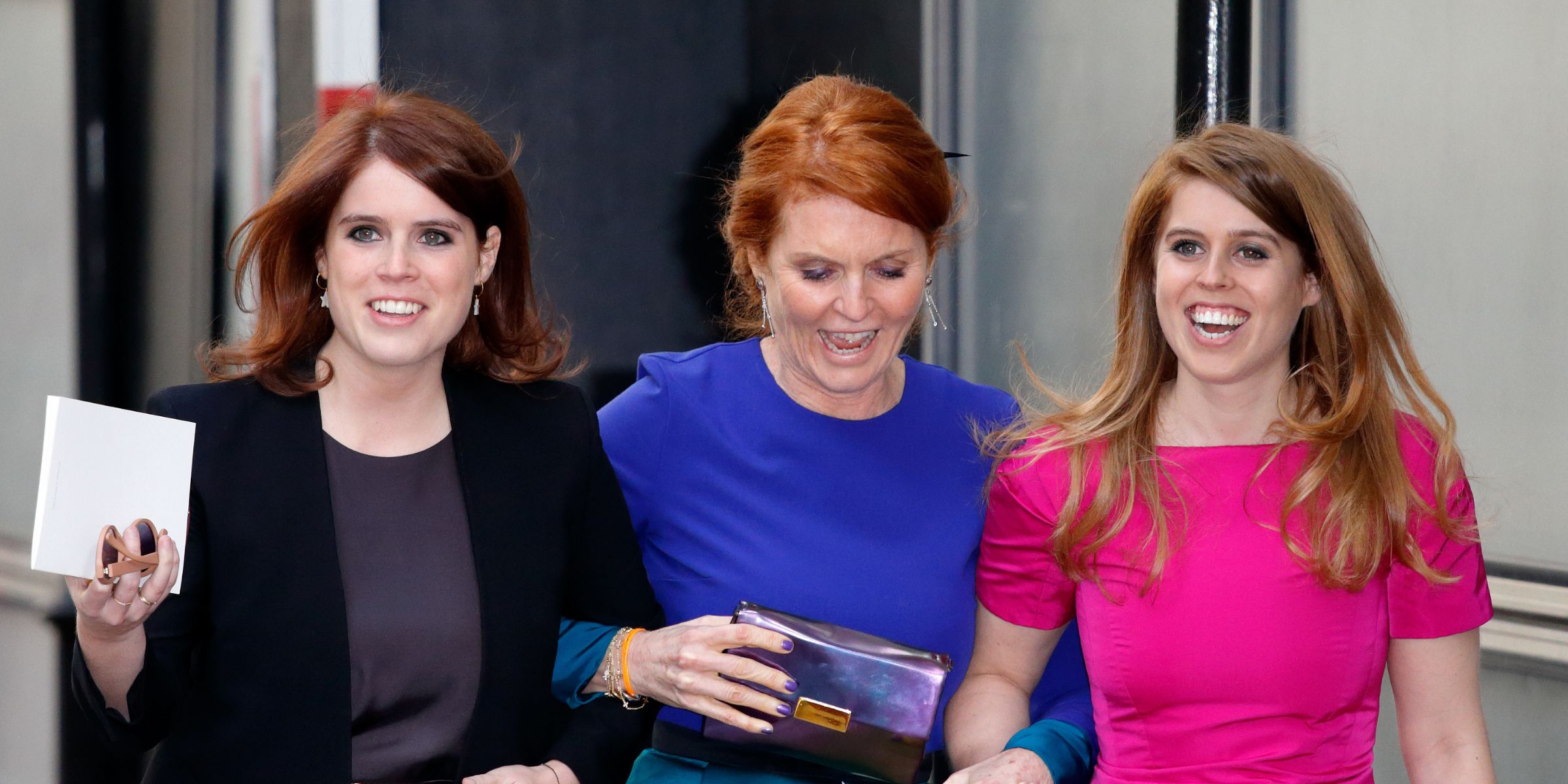
Sarah Ferguson's Jaw-Dropping Demand from Jeffrey Epstein — And Why She Wasn't Afraid to Take Princesses to Him
March 03, 2026


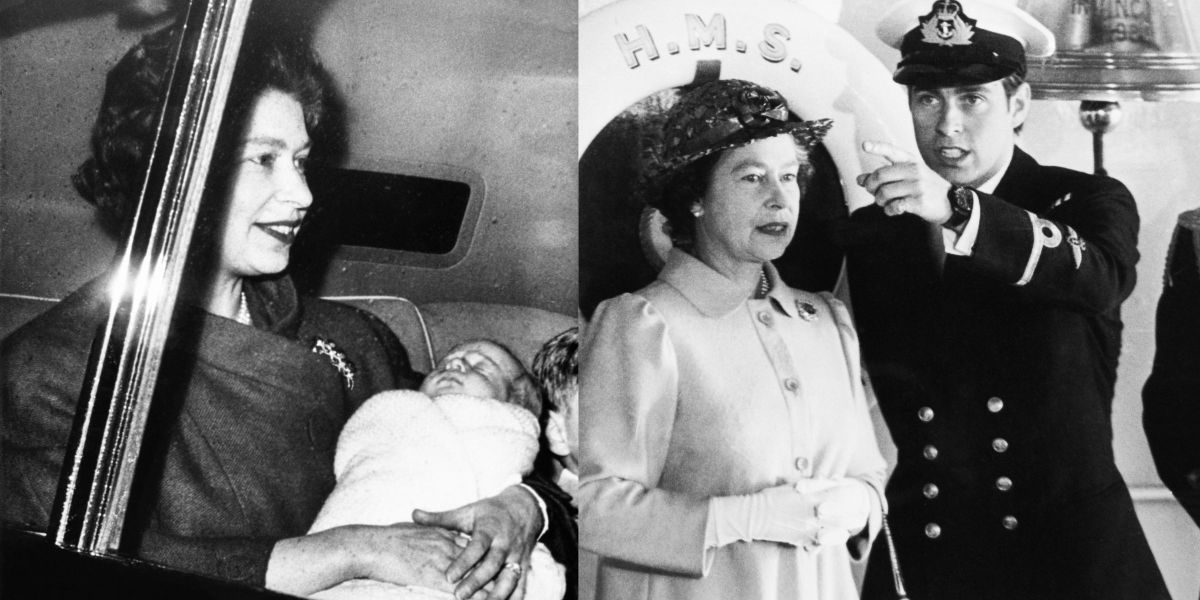

For decades, the ex-prince and his mother shared an unparalleled closeness. But when scandal engulfed him, that maternal bond was thrust into the harshest possible spotlight.
For years, Andrew Mountbatten-Windsor sat in a uniquely protected place inside the House of Windsor — close enough to power to matter, but never destined to wear the Crown.

Andrew Mountbatten-Windsor at the Founder's Day Parade at Royal Hospital Chelsea on June 4, 2015, in London, England. | Source: Getty Images
That reality shaped his public life and, in the view of royal observers and insiders, shaped the late Queen Elizabeth II's relationship with him, too. It is a label that has followed him for decades — the late Queen's favourite son.
Royal commentator Richard Fitzwilliams has previously linked that perception to timing and circumstance. When King Charles III and Princess Anne were born, he said, the Queen was newly on the throne and pulled in multiple directions.

Queen Elizabeth II and Prince Philip, Duke of Edinburgh, with their children, Andrew Mountbatten-Windsor, Princess Anne, and then Prince Charles photographed outside Balmoral Castle in Scotland on September 8, 1960. | Source: Getty Images
By the time Andrew arrived, she had more capacity to give him sustained attention, creating what the royal commentator described as a particular closeness between them. He shared:
"She was able to give him more attention and Andrew was someone with whom she's had a particular affinity."

Queen Elizabeth II and Andrew Mountbatten-Windsor at the Badminton Horse Trials in Gloucestershire, circa 1973. | Source: Getty Images
That special bond became part of Andrew's mythology. In the public imagination, he was once a war hero, having served in the Falklands, and later a high-profile royal whose image carried a mix of glamour, confidence, and controversy.
But the same status that made him visible also ensured that, as the line of succession expanded, his purpose became harder to define.

Andrew Mountbatten-Windsor circa 1986. | Source: Getty Images
Once second in line, he steadily slipped down the ranks with each new royal birth, all while remaining subject to the scrutiny attached to his family name.
That scrutiny, however, turned unforgiving in 2019 when Andrew tried to confront questions over his association with convicted sex offender and American financier Jeffrey Epstein.
In a BBC Newsnight interview with Emily Maitlis, recorded at Buckingham Palace, Andrew spoke publicly about the allegations for the first time. The response was immediate — backlash from almost all sides.
Years later, fresh reporting claimed that the deal was not merely a personal legal decision, but a family-funded effort to stop the scandal from dominating the late Queen's Platinum Jubilee.

Andrew Mountbatten-Windsor at the QIPCO King George Weekend at Ascot Racecourse on July 27, 2019, in Ascot, England. | Source: Getty Images
In the interview, he said he had seen nothing suspicious while around the American, who died in August 2019 while awaiting trial on federal charges.
The former Duke of York also acknowledged the reputational damage his choices had caused, saying, "I stayed with him and that's...that's the bit that...I kick myself for on a daily basis."
The remark did little to calm the storm. Instead, it sharpened the sense that the monarchy was facing a crisis it could not easily contain — and that Andrew, long seen as protected, had become a liability no one could fully manage.
Yet the most revealing element of the saga may not have been the interview itself, but what followed. In February 2022, Virginia Giuffre's civil sexual abuse case against Andrew ended in a settlement.

Virginia Giuffre photographed in 2022 holding a photo of herself as a teenager. | Source: Getty Images
Years later, fresh reporting claimed that the deal was not merely a personal legal decision, but a family-funded effort to stop the scandal from dominating the late Queen's Platinum Jubilee.
According to claims, the late Queen contributed £7 million towards the settlement, with a further £3 million allegedly drawn from Prince Philip, Duke of Edinburgh's estate after his death. The then Prince Charles was said to have paid £1.5 million, with other royals also contributing. One source alleged:
"Andrew's not paid back a penny."

King Charles III, Queen Elizabeth II, and Andrew Mountbatten-Windsor during Trooping The Colour, the Queen's annual birthday parade, on June 8, 2019, in London, England. | Source: Getty Images
Those same reports said Andrew's plan to sell a Swiss ski chalet in Verbier to repay the money faltered because the property was weighed down by substantial mortgage debt, leaving him with little or no profit from the sale.
Another allegation went further, suggesting that the family acted after believing Andrew had misled them about the extent of his relationship with the infamous American.

Melania Trump, Andrew Mountbatten-Windsor, Gwendolyn Beck, and Jeffrey Epstein at a party at the Mar-a-Lago club on February 12, 2000, in Florida, United States. | Source: Getty Images
One source claimed the late Queen was left heartbroken by the scandal, but could not bring herself to banish him, describing him as her "beloved son."
In that telling, the settlement was a way to delay the reckoning rather than end it, pushing the problem into the future when King Charles III would be expected to deal with it.

King Charles III and Andrew Mountbatten-Windsor at the funeral of Patricia Knatchbull, Countess Mountbatten of Burma, at St Paul's Church, Knightsbridge, on June 27, 2017, in London, England. | Source: Getty Images
For the Palace, the implications were stark. A legal settlement can close a case, but it cannot erase questions — particularly when the payment is portrayed as an institutional attempt to protect a vulnerable moment in the monarchy's calendar.

Queen Elizabeth II and Andrew Mountbatten-Windsor during The Investec Derby Festival at Epsom Racecourse on June 1, 2013, in Epsom, England. | Source: Getty Images
If that was the public side of the story, accounts of Andrew's private conduct have been equally damaging. Despite perceptions of his closeness to the late Queen, claims from former staff and royal authors suggest he inspired little affection behind the scenes.
Royal author Andrew Lownie, in his book, "Entitled: The Rise and Fall of the House of York," quoted Colin Burgess, a former equerry to the Queen Mother, describing Andrew as issuing curt, commanding instructions.

Andrew Mountbatten-Windsor following the royal family's traditional Christmas Day service at St. Mary Magdalene Church on December 25, 2023, in Sandringham, eastern England. | Source: Getty Images
As for the court of public opinion, social media reactions to the late Queen's loyalty have been divided, and at times unsparing.
The former equerry said Andrew spoke to staff as "an officer talks to his subordinates," adding that his grim catchphrase was "Do it!" He contrasted that with the way the Queen Mother and King Charles III treated staff as "human beings."

Andrew Mountbatten-Windsor at St. George's Chapel at the Easter Mattins Service on March 31, 2024, in England. | Source: Getty Images
The book also included claims that the ex-prince made bizarre requests, including insisting that maids climb several flights of stairs to open curtains while he remained in bed.
Elsewhere, royal writer Tom Quinn was cited as alleging Andrew had moved to remove staff over petty grievances, including an objection to a nylon tie. More recent accounts have suggested those tensions did not ease even after his status changed.

Andrew Mountbatten-Windsor at the traditional Easter Sunday Mattins Service at St. George's Chapel on April 20, 2025, in Windsor, England. | Source: Getty Images
Despite King Charles III stripping Andrew of his titles, some reports claimed he still demanded royal-style service, from cooked breakfasts prepared by a personal chef to regular deliveries of champagne and fine wine. The ex-prince has repeatedly been characterised by sources as entitled.
Then came the latest humiliation — reports in February 2026 that Andrew was forced to leave Royal Lodge. One insider alleged he tried to appeal to his lineage during tense discussions, claiming:
"When he was told to get out, he was so arrogant and deluded he repeatedly shouted, 'But I'm the Queen's second son. You can't do this to me.' It is extraordinary he chose to use the Queen's name in his defence."

Andrew Mountbatten-Windsor at the funeral service of Patricia Knatchbull, Countess Mountbatten of Burma, at St. Paul's Church on June 27, 2017, in London, England. | Source: Getty Images
The move to Sandringham was portrayed as a sharp downgrade, with fewer staff and less space. Even the offer of limited help — a cleaner, groundsman, and cook on an ad hoc basis — was said not to have gone "down well."

Andrew Mountbatten-Windsor at the funeral of Katharine, Duchess of Kent, at Westminster Cathedral on September 16, 2025, in London, England. | Source: Getty Images
As for the court of public opinion, social media reactions to the late Queen's loyalty have been divided, and at times unsparing. One person commented, "They say a mother's love is blind." Another wrote, "It's very true that the Queen loved her son to bits.. but she could never love him as much as he loved himself.. [sic]"

Andrew Mountbatten-Windsor and Queen Elizabeth II at the Endurance event on Day 3 of the Royal Windsor Horse Show on May 12, 2017, in Windsor, England. | Source: Getty Images
On the other hand, a third netizen typed, "The Queen isn't squeaky clean." Another suggested, "Like mother, like son? Maybe that's why the servants didn't like him too much as they probably know stuff they can't say?" Another person added, "Hence the result. A mother can never ever have a 'favourite' son."

Andrew Mountbatten-Windsor and Queen Elizabeth II on the balcony of Buckingham Palace on National Commemoration Day, July 10, 2005. | Source: Getty Images
A final observer offered in part about the familial dynamic between Queen Elizabeth II, Andrew, and her other children, "The others didn't need the attention or guidance he did. She knew he was different. Not the favourite in love but just needed more care as he behaviour challenges [sic]."

Queen Elizabeth II and Andrew Mountbatten-Windsor at the 2017 Royal Ascot at Ascot Racecourse on June 22 in England. | Source: Getty Images
Together, the comments reflect the uncomfortable question at the heart of Andrew's story — where the line sits between private devotion and public duty. The late Queen Elizabeth II spent much of her reign embodying restraint and responsibility.
But in the case of her second son, the allegations, the settlement, and the accounts of his conduct left the institution facing a deeply human complication — a mother who, despite everything, could not turn away from her child.

Queen Elizabeth II and Andrew Mountbatten-Windsor at Westminster Abbey on March 29, 2022, in London, England. | Source: Getty Images
In death, she left behind a monarchy still grappling with the aftermath. Andrew Mountbatten-Windsor's fall has already rewritten how he is seen. The late Queen's continued support has complicated how her final years are remembered — and ensured that the debate over her devotion to her "favourite" son will not fade.

The information in this article is not intended or implied to be a substitute for professional medical advice, diagnosis or treatment. All content, including text, and images contained on news.AmoMama.com, or available through news.AmoMama.com is for general information purposes only. news.AmoMama.com does not take responsibility for any action taken as a result of reading this article. Before undertaking any course of treatment please consult with your healthcare provider.
Sarah Ferguson's Jaw-Dropping Demand from Jeffrey Epstein — And Why She Wasn't Afraid to Take Princesses to Him
March 03, 2026
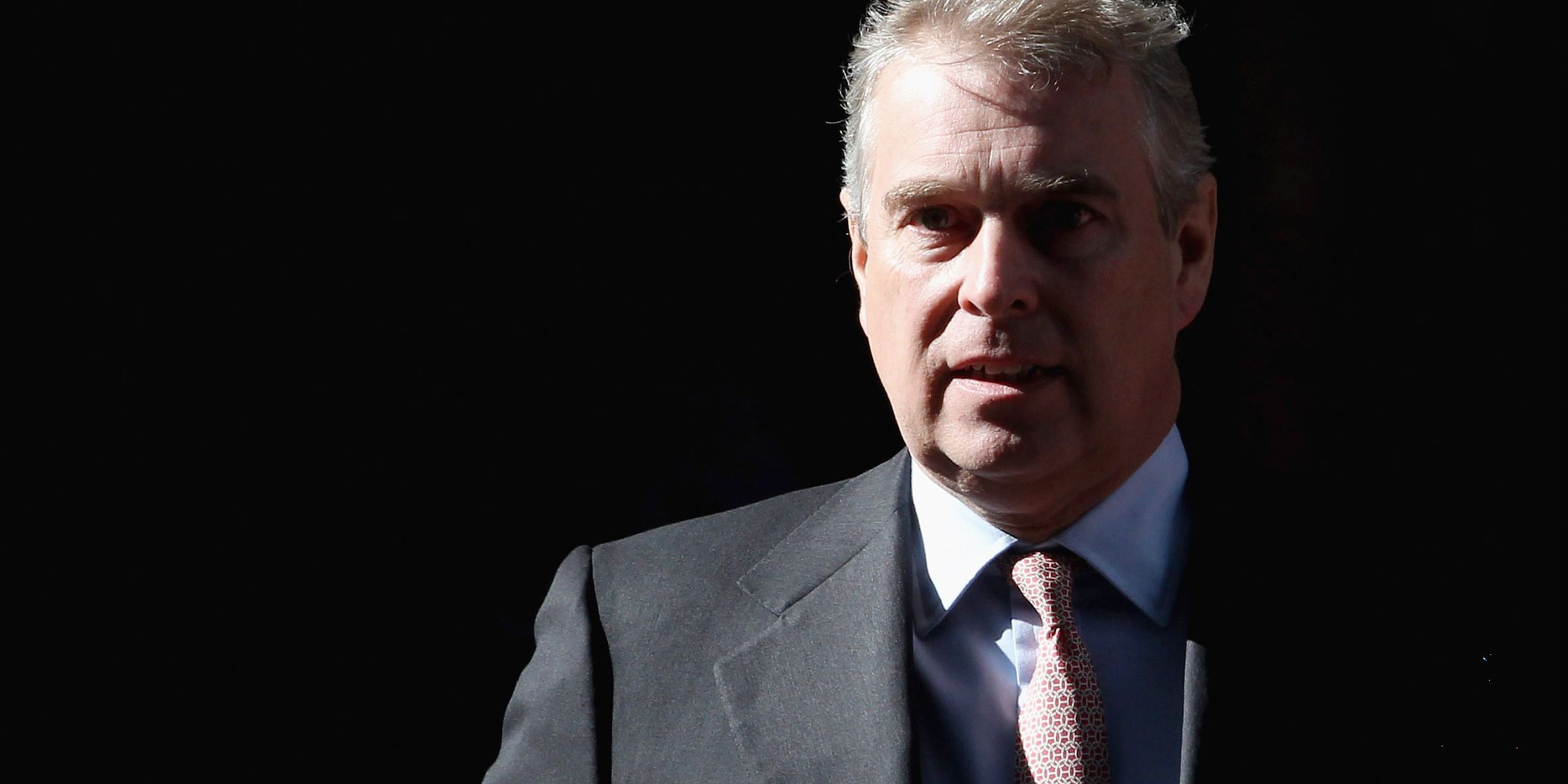
Prince Andrew Could Leave UK And Relocate Thousands of Miles Away After His Downfall
February 26, 2026
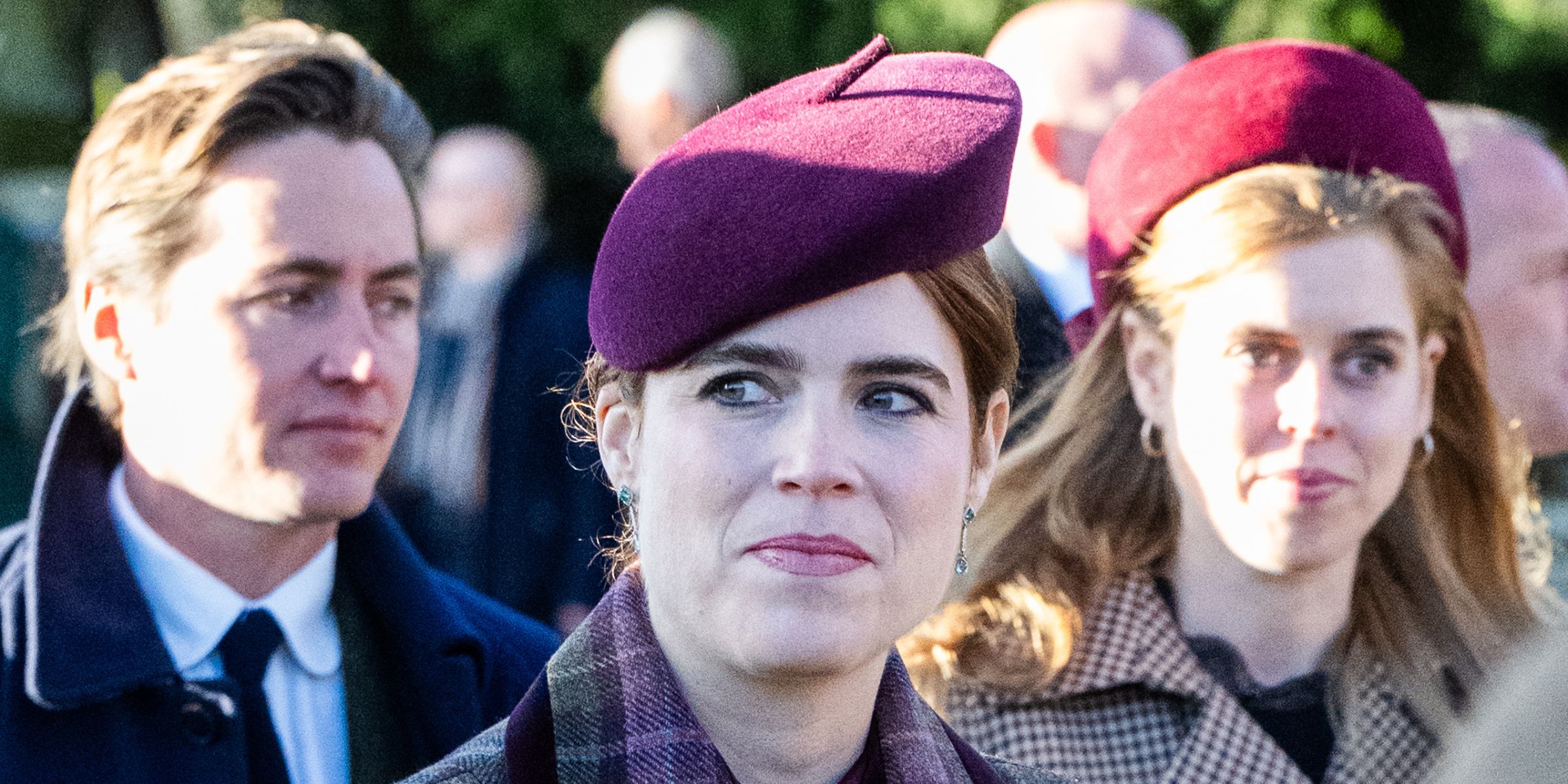
Princesses Beatrice and Eugenie Could Lose Their Royal Titles, Royal Expert Claims
March 11, 2026
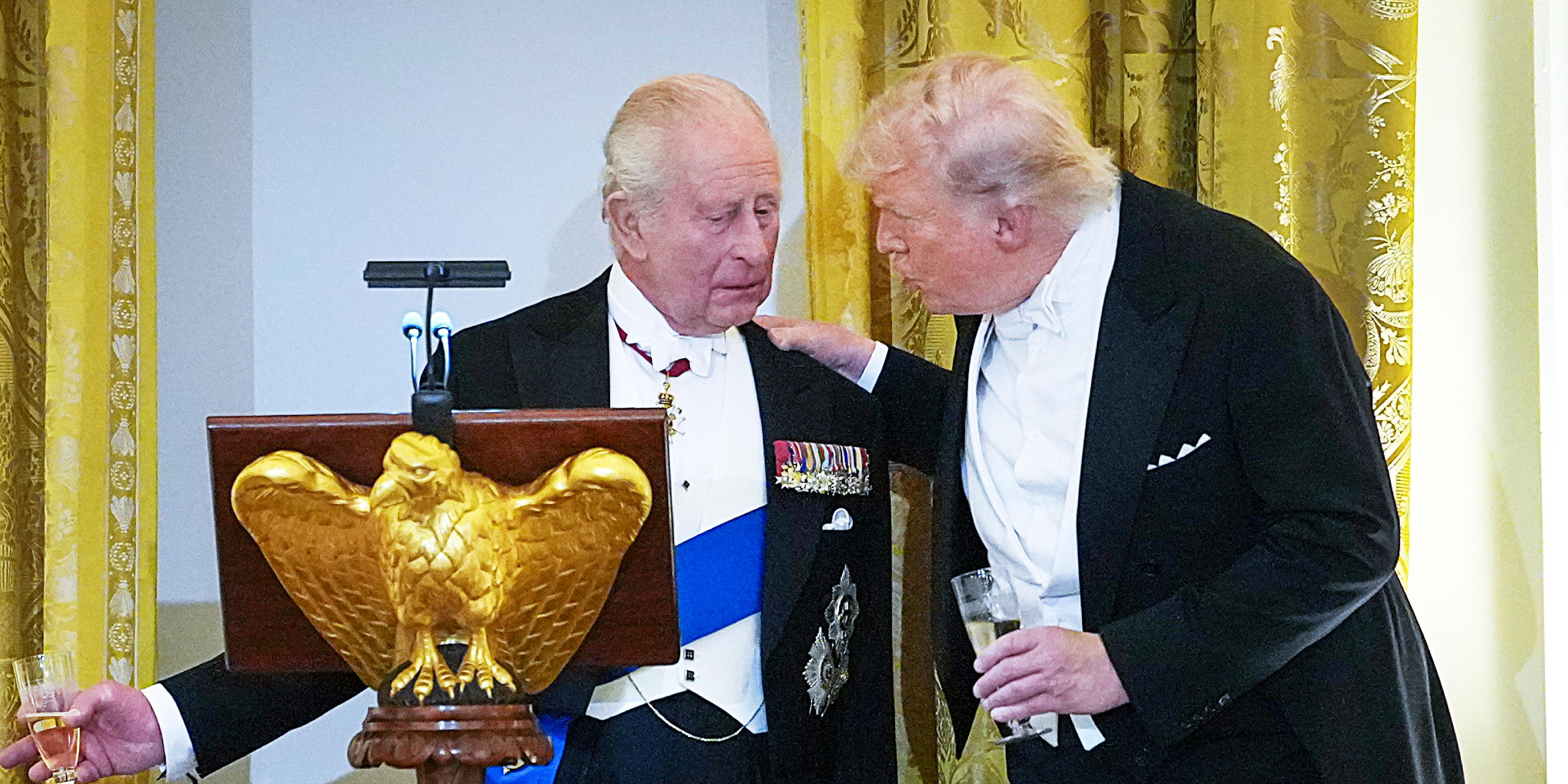
Expert Reveals Two Topics Considered Off-Limits for Donald Trump and King Charles III to Discuss
April 30, 2026
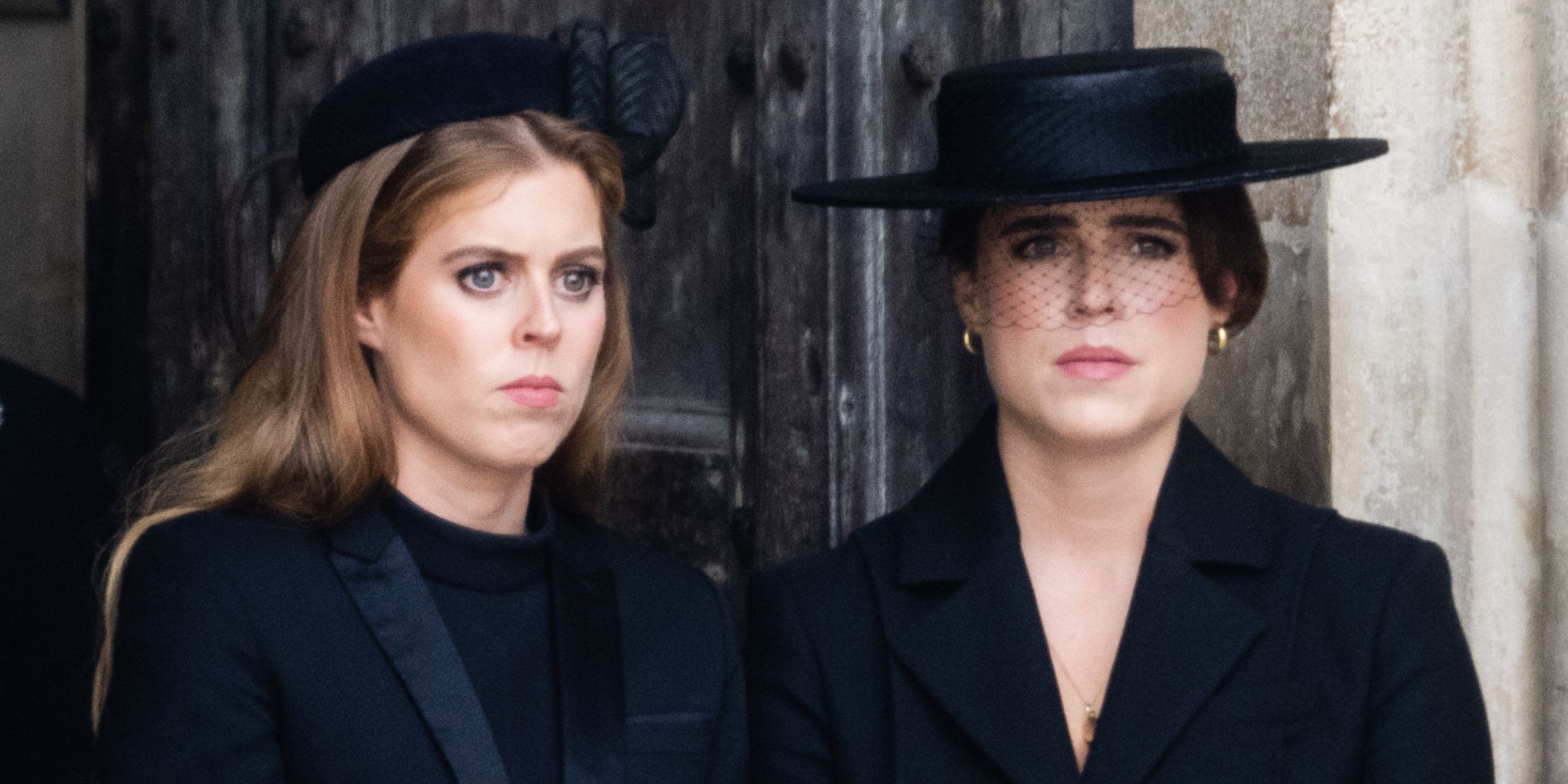
Princesses Beatrice and Eugenie Blindsided by Unexpected Royal Exclusion - Details
March 03, 2026
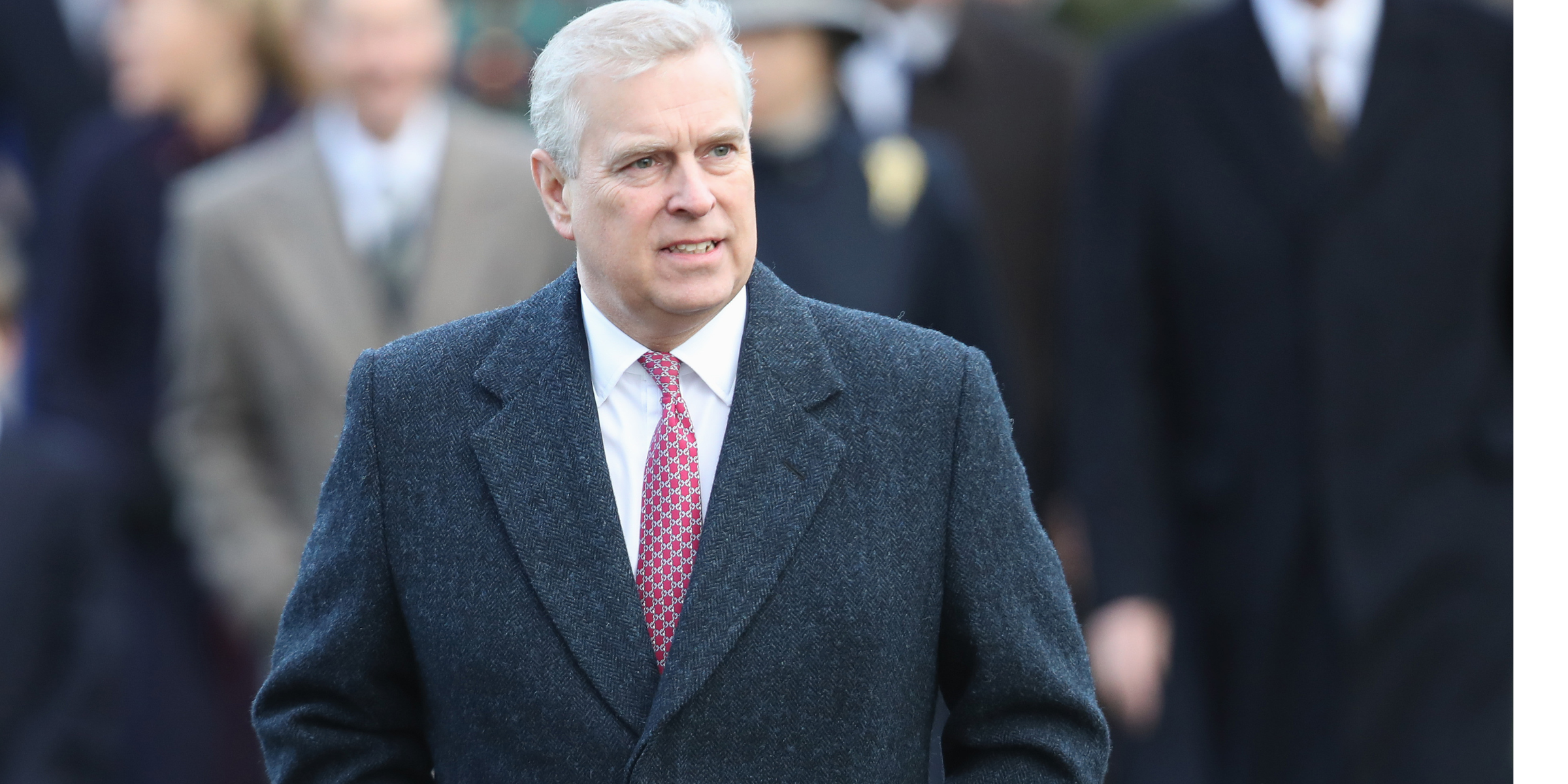
Ex-Prince Andrew Suffers Fresh Blow as New Restriction Follows Shock Arrest over Epstein Bombshells
February 26, 2026
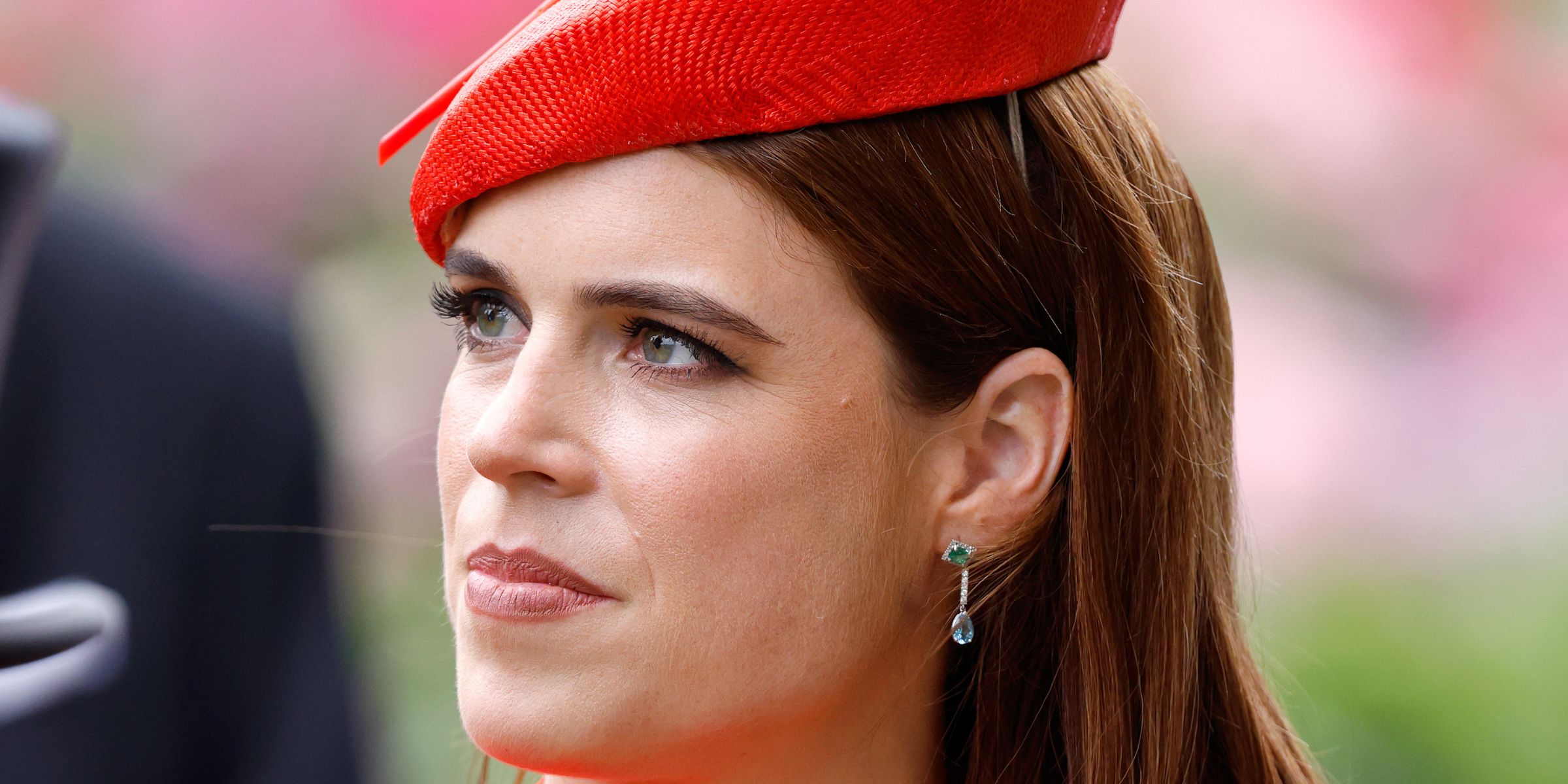
Princess Eugenie's Ties with Anti-Slavery Charity End amid Ex-Prince Andrew Arrest
March 09, 2026
Sarah Ferguson, 66, Seen for First Time in Months, Ignites Online Buzz Over 'Older' and 'Rough' Appearance – Photo
April 17, 2026
Woman Claiming Abuse by Jeffrey Epstein Details Alleged Encounter With Andrew Mountbatten-Windsor on Financier's Private Island
March 02, 2026
Where Sarah Ferguson Stays Now After Losing Her Royal Home in the Wake of the Epstein and Andrew Scandal
March 05, 2026
Ghislaine Maxwell Claimed Jeffrey Epstein May Have Been 'Set Up' on a Date With Princess Diana
March 09, 2026