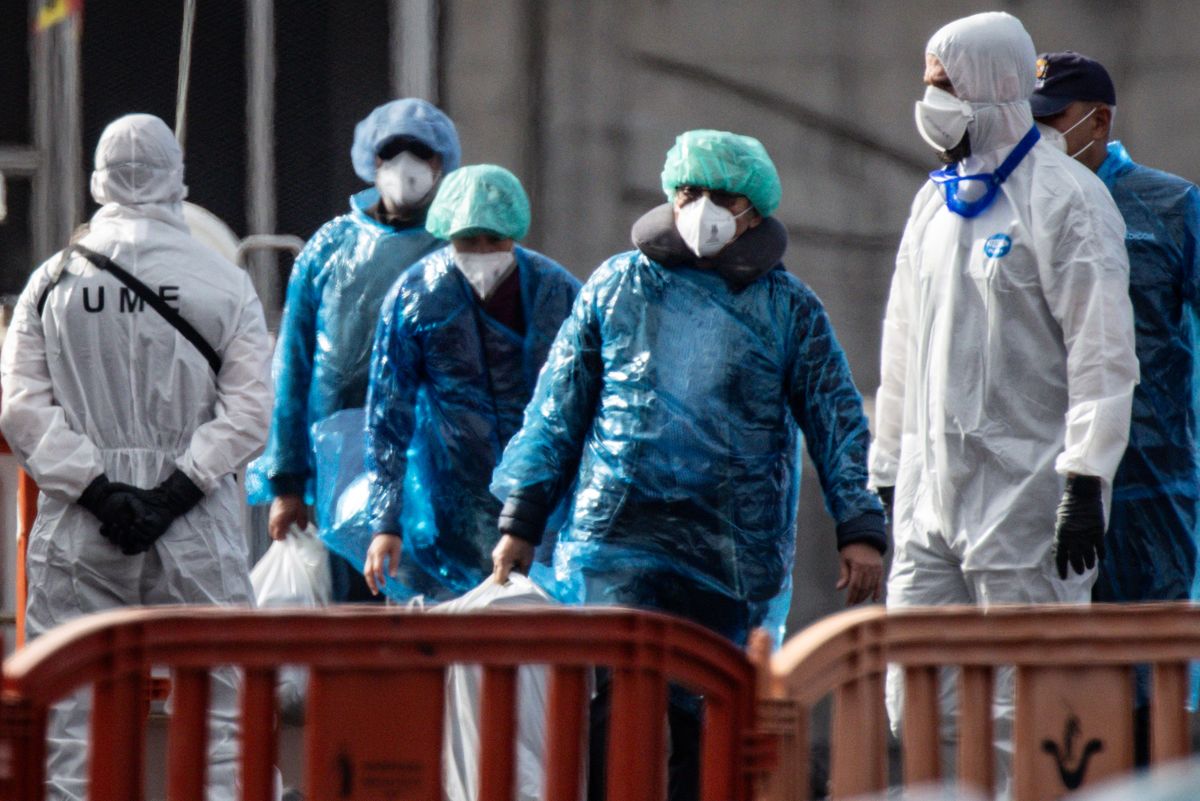
Hantavirus Update: Patient Zero Identified, How the Virus Spreads, and What Experts Predict Next
May 11, 2026



A routine safety investigation has turned into a growing public health concern, with federal officials warning consumers to take a closer look at the eggs sitting in their refrigerators.
As the investigation continues, new details have emerged about the outbreak, the products involved, and the one carton detail that could determine whether your eggs are part of the recall.
The Food and Drug Administration (FDA), working alongside the Centers for Disease Control and Prevention (CDC) and state health officials, is investigating a multistate outbreak of Salmonella Enteritidis.

A laboratory scientist conducts testing in a research facility. The FDA and CDC are investigating a multistate Salmonella outbreak linked to recalled shell eggs. | Source: ChatGPT
The infection is linked, in part, to recalled shell eggs produced by Midwest Poultry Services, L.P. Laboratory testing, epidemiological evidence, and traceback investigations identified the Indiana-based company's Texas-produced shell eggs as a likely source of illnesses.
However, the FDA said the producer does not account for all illnesses in the outbreak, and investigators are still determining whether additional sources are involved.
On July 22, Midwest Poultry Services voluntarily recalled approximately 1,589,577 dozen white shell eggs and brown cage-free shell eggs — about 19 million eggs — produced between June 6 and July 3, 2026, with sell-by or best-by dates ranging from July 20 through August 17, 2026.

Shell eggs move through a packing facility in an illustrative image. Federal investigators traced the Salmonella outbreak, in part, to recalled shell eggs produced by Midwest Poultry Services, L.P. | Source: ChatGPT
According to FOX Business, the company said it identified the potential contamination through environmental monitoring at two Texas farms and immediately halted shipments of fresh eggs from those facilities.
"When we learned of a possible issue with egg safety, we began diverting eggs to a breaking plant where they would be pasteurized to kill any foodborne pathogens," Midwest Poultry Services said in a statement.
"We also began a robust internal investigation and initiated testing protocols to identify potential sources of SE. Producing safe, quality food for those who eat our eggs is our highest priority, and this voluntary investigation and recall demonstrates that commitment."
While investigators were still tracing the source, the number of people affected continued to grow.
The FDA said 98 people across 17 states have been sickened by the outbreak strain, with illnesses beginning between November 21, 2025, and June 30, 2026. 26 people have been hospitalized, though no deaths have been reported.
According to TODAY, illnesses linked to the outbreak have been reported in Arizona, California, Colorado, Georgia, Illinois, Louisiana, Michigan, Missouri, Mississippi, Nevada, New Mexico, New York, North Carolina, Oklahoma, South Carolina, Texas, and West Virginia.
The FDA said that among the 44 patients interviewed by investigators, 40 reported eating shell eggs before becoming ill, strengthening the connection between the outbreak and the recalled products.

Illustration of the United States. Illnesses linked to the Salmonella outbreak have been reported in 17 states while federal investigators continue tracing the source. | Source: ChatGPT
The agency also said Midwest Poultry Services collected samples at its Texas farms that tested positive for Salmonella. Whole genome sequencing performed by the company's third-party laboratory found that some of those samples matched the outbreak strain.
According to Yahoo News, the CDC cautioned that the official case count likely represents only a fraction of actual infections because many people recover without seeking medical care or being tested.
As investigators narrowed down the recalled products, another significant detail emerged. According to the FDA and NBC News, the recalled products were sold under the Country Morning, Cal-Maine Sunups, Brookshire's, Simple Truth, and Kroger brand names.
The eggs were distributed to retail stores and foodservice customers in Texas, Louisiana, Oklahoma, Arkansas, Mississippi, and New Mexico, with products sold in cartons containing 6, 12, 18, 24, 30, 36, and 60 eggs, as well as certain bulk packages.
Consumers who purchased the eggs are urged not to eat them. Instead, officials recommend throwing them away or returning them to the place of purchase for a refund.
Restaurants and retailers that received the recalled products should also stop serving or selling them immediately and thoroughly sanitize any surfaces or containers the eggs may have touched.
For anyone wondering whether the eggs in their refrigerator are affected, officials say the carton itself holds the answer. According to TODAY, all recalled cartons carry plant code P-1950 or 0840962, printed on either side of the carton in date-coding ink.
The recalled eggs also have Julian dates between 157 and 184 and best-by or sell-by dates ranging from July 20 through August 17, 2026.
The affected products include multiple Kroger, Simple Truth, Brookshire's, Country Morning, and Sunups varieties sold across the impacted states. If eggs have been removed from their original carton and you cannot identify whether they are part of the recall, the FDA advises discarding them.

Egg cartons are displayed at a grocery store in an illustrative image. Health officials say consumers should check plant codes, Julian dates, and best-by dates to determine whether their eggs are part of the recall. | Source: Getty Images
According to the Mayo Clinic, Salmonella infection is a bacterial illness that most commonly spreads through contaminated food, including raw or undercooked eggs.
Symptoms usually appear between six hours and six days after exposure and may include diarrhea, fever, stomach cramps, nausea, vomiting, chills, headache, and blood in the stool. Most healthy people recover within a few days to a week, but severe dehydration or infections that spread beyond the intestines can become life-threatening.

A person experiences abdominal discomfort in an illustrative image. Salmonella infection can cause symptoms including diarrhea, fever, stomach cramps, nausea, and vomiting after consuming contaminated food. | Source: ChatGPT
Children younger than 5, older adults, and people with weakened immune systems face the greatest risk of severe illness. Researchers have also identified an additional concern.
According to Yahoo News, the outbreak strain has shown predicted nonsusceptibility to ciprofloxacin and resistance to nalidixic acid, meaning some patients may require alternative antibiotic treatment.
Health officials recommend checking refrigerators for any recalled eggs before preparing meals. Anyone who purchased affected products should throw them away or return them for a refund, wash hands thoroughly after handling raw eggs, and disinfect any surfaces or containers that may have come into contact with the recalled products.
The FDA added that consumers experiencing symptoms consistent with Salmonella infection should contact a healthcare provider promptly as the agency continues investigating the outbreak and releases additional updates.

The information in this article is not intended or implied to be a substitute for professional medical advice, diagnosis or treatment. All content, including text, and images contained on news.AmoMama.com, or available through news.AmoMama.com is for general information purposes only. news.AmoMama.com does not take responsibility for any action taken as a result of reading this article. Before undertaking any course of treatment please consult with your healthcare provider.
Hantavirus Update: Patient Zero Identified, How the Virus Spreads, and What Experts Predict Next
May 11, 2026

Passengers Aboard the MV Hondius Describe Life During the Hantavirus Outbreak – Map Shows Spread of the Virus
May 08, 2026

Nolan Wells Case: Sheriff Addresses the Rumors — and Says One Thing Could Really Help
July 15, 2026

18-Year-Old Football Prospect Found Dead on Horn Island — His Mom Has One Request After the Tragedy
July 08, 2026

Michigan Mom Made a Surprising Move with Her Kids Days Before the Family's Tragic End
July 29, 2026

San Diego Islamic Center Attack Leaves Behind Disturbing Evidence That Reveals Motive
May 18, 2026

Man Who Breached Denver Airport Runway Identified After Fatal Frontier Collision
May 13, 2026

NBA Star Brandon Clarke Found in Shocking State at 29 — Investigation Underway
May 13, 2026

Michigan Mom Had Recently Returned from China with Her Adopted Daughters When Dispatch Audio Captured What Her Husband Left Behind
July 30, 2026

Something Else Was Found Inside the Michigan 'House of Horror' After 8 Family Members Died in Fire
July 31, 2026

Bodybuilding Influencer, 22, Found in Apartment Under Mysterious Circumstances
May 28, 2026