
Idaho In-N-Out Shooting Suspect Named — But Police Warn Public About a Second Name Circulating Online
August 03, 2026



New records are sharpening the picture of how Minneapolis protester Alex Pretti died, after days of official silence. A medical report and government documents now raise fresh questions and intensify calls for accountability.
What really happened in the final moments of the late ICU nurse Alex Pretti's life remained unclear, even as protests erupted and authorities released few details.
Government records later provided additional information about the shooting, including agent identities and medical examiner findings.
Conflicting accounts and independent analysis would later raise further questions about how the encounter unfolded.

A photo of Alex Pretti can be seen at a makeshift memorial in the area where he was shot dead in Minneapolis, Minnesota, on January 24, 2026 | Source: Getty Images
According to government records reviewed by ProPublica on February 1, 2026, the two federal immigration agents involved in the shooting of Pretti were identified as U.S. Customs and Border Protection (CBP) officer Raymundo Gutierrez, 35, and Border Patrol agent Jesus Ochoa, 43.
Both men were assigned to Operation Metro Surge, an immigration enforcement effort launched in December that sent armed and masked agents across the city.

A picture sits at a memorial to Alex Pretti on January 25, 2026 in Minneapolis, Minnesota | Source: Getty Images
The CBP, which employs both agents, has declined to release their names publicly and has shared few details about the incident. The shooting came just days after another Minneapolis protester, Renee Nicole Good, was fatally shot by an ICE agent.
Additional details emerged days later. As reported by People, the medical examiner ruled that Pretti's cause of death was multiple gunshot wounds, while his manner of death was classified as homicide.

Protesters hold a vigil for Alex Pretti, the man fatally shot by federal immigration enforcement the previous day in Minneapolis on January 25, 2026 | Source: Getty Images
The report also stated Pretti was "shot by law enforcement officer(s)" and listed no other "significant conditions," findings that have prompted renewed calls for criminal investigations.
Federal officials and independent video analysis offer sharply different accounts of what led to Pretti's death.
In a statement posted by the Department of Homeland Security (DHS) on X, officials said agents were conducting a targeted operation when an individual approached Border Patrol officers with a 9 mm semi-automatic handgun.
DHS claimed officers tried to disarm him, but said he violently resisted, prompting an agent to fire what the department described as defensive shots.

Federal agents detain a protester along a commercial street in Minneapolis, Minnesota. | Source: Getty Images
The department also said Pretti had two magazines and no identification, and characterized the encounter as a situation where the individual appeared intent to cause "maximum damage and massacre law enforcement."
They added that medics provided aid at the scene and that the situation was still evolving.
However, a video analysis published by The New York Times directly challenges that version of events. Footage verified by the news publication shows Pretti holding a phone, not a gun, as agents approached and began shoving protesters and using pepper spray.
The analysis found that Pretti's hands were visible as he was taken to the ground and restrained. Agents appeared to shout that he had a gun only after he was pinned, at which point a firearm emerged from the struggle.
According to the Times, agents appeared to have Pretti under control when at least 10 shots were fired within about five seconds, leaving him motionless on the pavement.

Vigil for Alex Pretti at the VA Hospital in Minneapolis on February 1, 2026 | Source: Getty Images
Those conflicting narratives emerged only after the first reports of the shooting, before the victim's identity was publicly known.
On Saturday, January 24, a man was shot and killed by a federal immigration officer during an enforcement operation in Minneapolis. Officials said he was armed at the time.
The incident occurred amid a wider federal crackdown and just weeks after another fatal encounter had drawn protests in the city. With the man’s identity later confirmed by family, attention shifted to who he was and why he was there.

Law enforcement officers secure the scene at 26th Street West and Nicollet Avenue after a man was shot by a federal agent in Minneapolis on January 24, 2026 | Source : Getty Images
A man was fatally shot by a federal immigration officer in Minneapolis during a targeted enforcement operation on Nicollet Avenue, according to the Associated Press (AP).
Hospital records confirmed that he died from at least one gunshot wound. His age was first reported as 51, but updated records later identified him as 37.

Federal agents stand behind police tape near the site of a shooting during an immigration enforcement operation in Minneapolis on January 24, 2026 | Source: Getty Images
Minnesota Governor Tim Walz confirmed the shooting occurred during a broader federal immigration crackdown.
According to the DHS, the man was armed with a firearm and two magazines. DHS spokesperson Tricia McLaughlin called it an "evolving" situation, adding that more details are still under review.

Agents deploy tear gas during a demonstration following the shooting of a protester in south Minneapolis on January 24, 2026 | Source: Getty Images
A bystander video obtained by AP offered more context.
In the footage, people blew whistles and shouted at agents. One officer pushed a person wearing a brown jacket, a green skirt, and black tights, who carried a water bottle. That individual reached toward a nearby man, and the two briefly embraced.
The man, dressed in a dark brown jacket and black hat, appeared to raise a phone toward the officer. The officer then shoved him in the chest, and both individuals fell backward.

Federal agents confront a man on a snowy Minneapolis street during an immigration enforcement action | Source: Instagram/nbcchicago | AP
The video briefly cut away, then returned to show them separating. Moments later, three officers surrounded the man, and the number quickly grew to at least seven.
One officer knelt on the man's back. Another, holding what appeared to be a canister, struck him in the chest. As they tried to restrain him, the man appeared to resist. His face became visible on camera before the officer struck him near the head several more times.
A gunshot followed, though the video did not clearly show its source. More shots rang out. Officers stepped back, and the man remained motionless on the pavement.

Protestors gathered at 26th Street and Nicollet Avenue after the fatal shooting by federal agents in Minneapolis, Minnesota on January 24, 2026. | Source: Getty Images
The man's identity was not immediately released, but those who knew him later stepped forward.
Alex Jeffrey Pretti was identified by family members and a colleague as the man who was fatally shot during a federal immigration enforcement operation in Minneapolis.
He was a 37-year-old U.S. citizen and worked as an intensive care unit nurse at the Minneapolis Veterans Affairs (VA) hospital. He was born in Illinois and, according to court records reviewed by the AP, had no criminal record; only a few minor traffic violations.
According to his LinkedIn profile, Pretti studied nursing at the University of Minnesota, where he also began working as a junior scientist in 2012 at the university's medical school.
State records from the Minnesota Board of Nursing confirmed that he received his Registered Nurse (RN) license on January 19, 2021. The license was active at the time of his death and was set to expire in March 2026.
At the VA hospital, Pretti was known as a dedicated and compassionate caregiver. Dr. Dimitri Drekonja, chief of infectious diseases and a professor at the University of Minnesota, worked alongside him.
"He wanted to help people," Drekonja said. "He was a super nice, super helpful guy. Looked after his patients. I'm just stunned."He described Pretti as an "outstanding" nurse who was hardworking, quick with a joke, and brought an "infectious" spirit to the workplace.
Outside of medicine, Pretti cared deeply about the environment. According to his mother, Susan Pretti, he was especially upset by federal rollbacks of environmental protections.
"He hated that, you know, people were just trashing the land," she said. The mom added that Pretti loved the country but was increasingly troubled by what he believed was happening to it.
She said her son loved being outdoors and often brought his dog Joule, a Catahoula Leopard dog who had recently passed away, everywhere he went.

Alex Jeffrey Pretti smiles during a biking trip through the woods, wearing cycling gear and a blue jersey | Source: YouTube/CBS News Minnesota
Pretti's father, Michael Pretti, said his son had been emotionally affected by recent federal immigration actions, including the earlier fatal shooting of Renee Nicole Good.
"He cared about people deeply and he was very upset with what was happening in Minneapolis and throughout the United States with ICE, as millions of other people are upset," said Pretti's dad. "He felt that doing the protesting was a way to express that, you know, his care for others."
In addition to his concerns about immigration and the environment, Pretti had a history of political engagement.
According to his ex-wife via AP, Pretti had been politically active and participated in past protests. She was not surprised he may have joined demonstrations against Trump's immigration policies.
She asked not to be named and said they had not spoken in more than two years, since their divorce. After that, she moved to another state.
According to her, Pretti was a Democratic voter who took part in street protests following the 2020 killing of George Floyd by a Minneapolis police officer, not far from where the couple lived at the time.

Protesters hold a portrait of George Floyd during a demonstration against police violence and racial injustice on June 14, 2020 | Source: Getty Images
The ex-wife said he might raise his voice at police during demonstrations, but she had never known him to be physically confrontational. She also recalled that he obtained a permit to carry a concealed firearm about three years ago and owned at least one semiautomatic handgun when they separated.

news.AmoMama.com does not support or promote any kind of violence, self-harm, or abusive behavior. We raise awareness about these issues to help potential victims seek professional counseling and prevent anyone from getting hurt. news.AmoMama.com speaks out against the above mentioned and news.AmoMama.com advocates for a healthy discussion about the instances of violence, abuse, sexual misconduct, animal cruelty, abuse etc. that benefits the victims. We also encourage everyone to report any crime incident they witness as soon as possible.
Idaho In-N-Out Shooting Suspect Named — But Police Warn Public About a Second Name Circulating Online
August 03, 2026
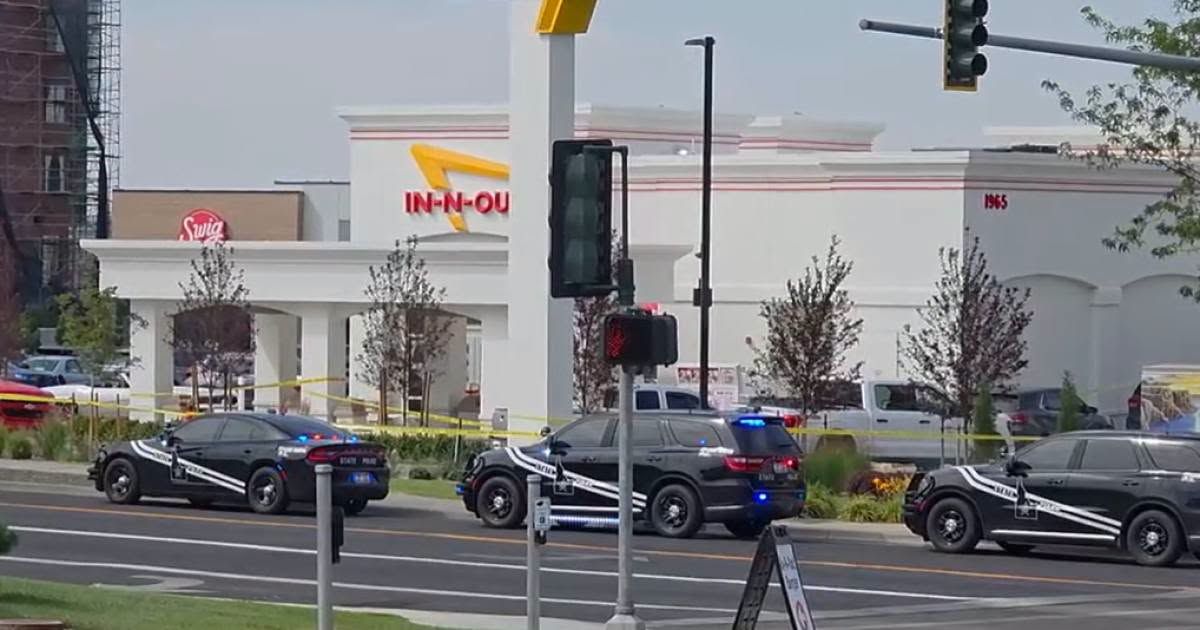
Christopher Claunch and Austin Scott: The Victim Who Finally Visited His Favorite Spot and the Hero Who Ran Toward Danger in the Twin Falls In-N-Out Shooting
August 04, 2026
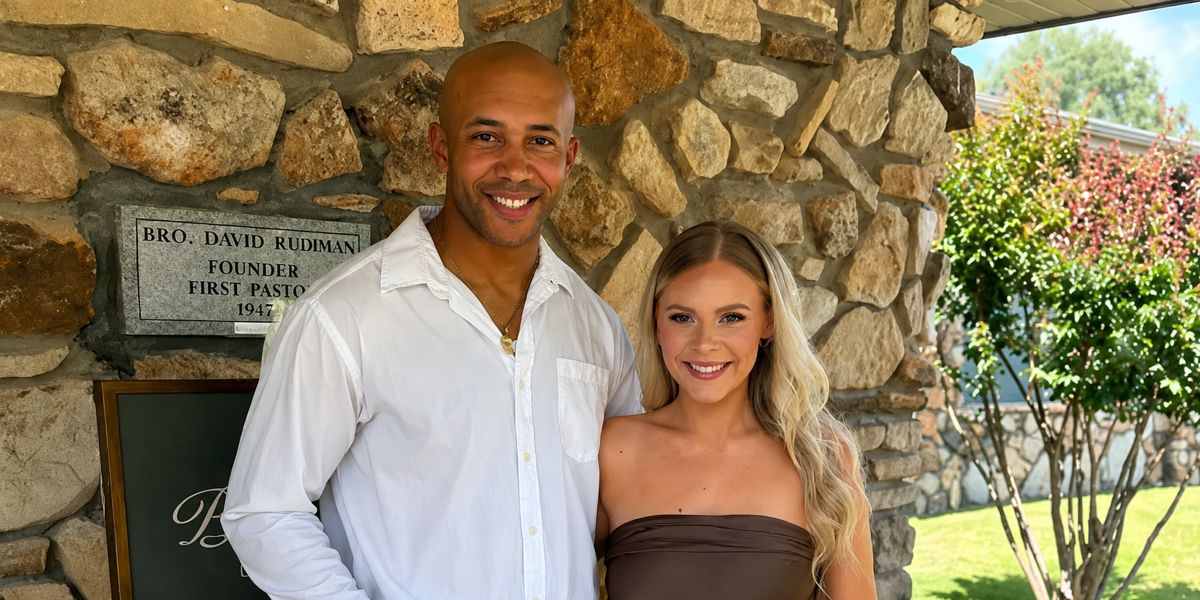
Officer Fred Marsh, 24, Asked the Love of His Life a Life-Changing Question Hours Before His Fate Was Sealed on the Elk River
July 23, 2026
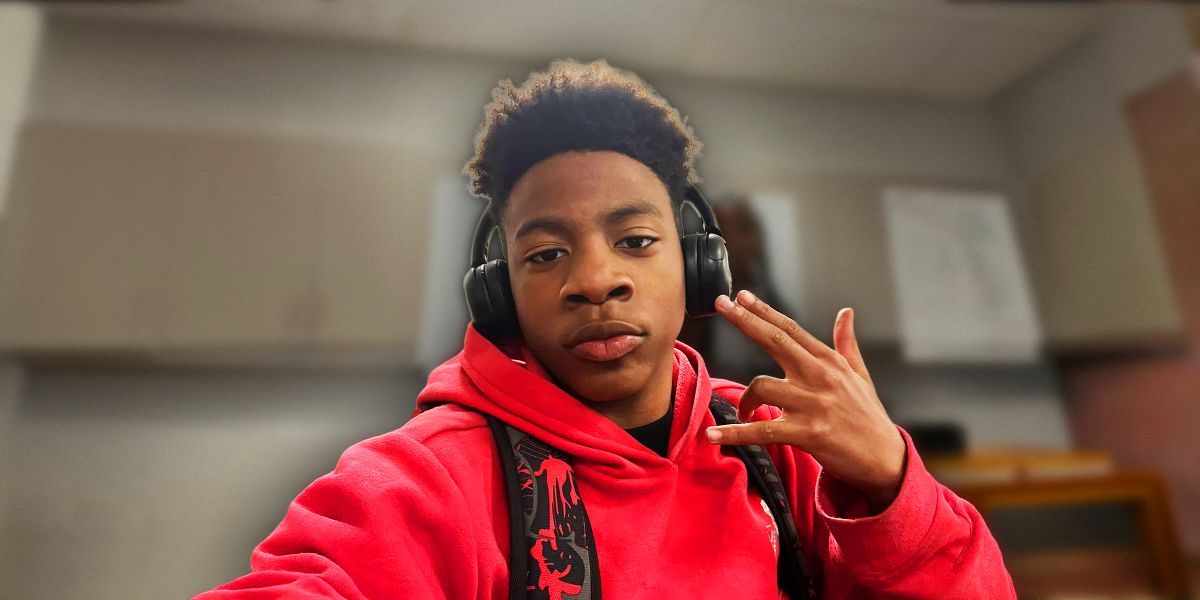
Foster Child, 13, Found Dead at McCormick County Council Chairman's Dock After Early-Morning Altercation
July 24, 2026

A Mom Came Home, Found a Man Under Her Daughter's Bed, and Said Something — Now She's Facing Murder Charges
July 20, 2026
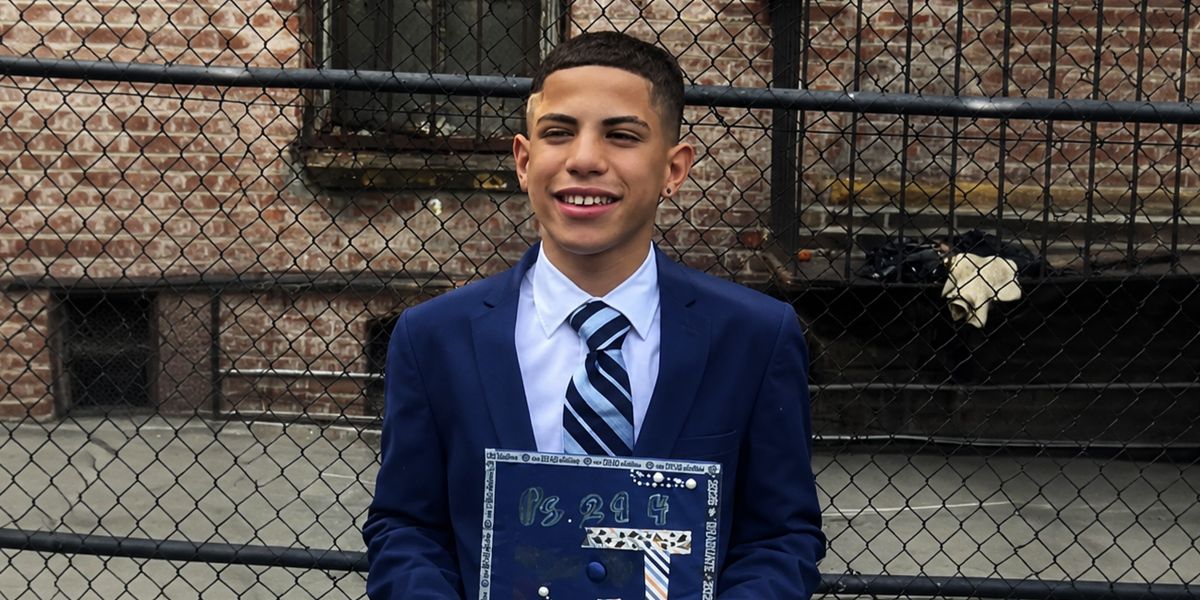
12-Year-Old Son of Retired NYPD Detective Killed by Stray Bullet Outside Bronx Bodega — What He Was Doing in His Final Moments
July 28, 2026
Footage Captures the Aftermath of the Shocking Incident Involving Kansas City Chiefs Offensive Coordinator Eric Bieniemy's Wife in Virginia – Photos & Details
July 28, 2026

21-Year-Old TikTok Star 'DreamDoll Brii' Fatally Shot in Targeted Drive-By in Miramar — Neighbors Describe the Moment
July 08, 2026
TikToker Who Warned About Security Gaps at Seattle Food Festival Over 24 Hours Before the Shooting Posts a Follow-Up Video
July 27, 2026
Attorney Ben Crump Reveals Nolan Wells' Independent Autopsy Results – and the Report Ends with 7 Unanswered Questions
July 23, 2026

Milania Giudice's Day in Court After She Was Detained – What the Judge Revealed
July 16, 2026