
Before the Fame: How Wiz Khalifa's Studio Hustle Changed His Career
June 03, 2026



While creative freedom has become one of the biggest advantages for independent artists, the rapper said that freedom often comes at the cost of competing against labels with far greater financial resources.
Few artists have experienced the music business from as many angles as Wiz Khalifa. Having built his career through both major-label partnerships and independent releases, the rapper recently reflected on the advantages and drawbacks of each approach during an appearance on Angela Yee's show in 2025.

Wiz Khalifa performs live on "Jimmy Kimmel Live!" on June 13, 2025. | Source: Getty Images
Asked to compare life as an independent artist with being signed to a label, Khalifa said independence offers greater control but also demands far more responsibility.
According to the rapper, independent musicians must build their own teams, finance their own careers, and compete against artists backed by companies willing to spend enormous amounts on promotion. He explained:
"You gotta hire people. You gotta spend your own money. You're in competition with people who are spending, you know, millions of dollars and you're just depending on your fans. So, you know, it's a lot when you, when that's what you're up against and you're trying to get to that level."

Wiz Khalifa onstage during the "Good Vibes Only" tour at Lakewood Amphitheatre on July 27, 2025, in Atlanta, Georgia. | Source: Getty Images
However, although those challenges may appear overwhelming, the Pittsburgh native said being independent is not necessarily more stressful than signing with a major label. Instead, he argued that each path comes with its own pressures.
While independent artists carry the financial burden themselves, signed artists often find themselves navigating label expectations, approval processes, and frustrations over promotional decisions.

Wiz Khalifa at Netflix's Canelo vs. Crawford Fight Night event at Allegiant Stadium on September 13, 2025, in Las Vegas, Nevada. | Source: Getty Images
"There's more freedom, of course, being independent, but you're just going to have to work way harder," he said. That freedom, however, remains one of the biggest reasons artists continue pursuing independent careers.
Because of his established career, he explained that he now has the leverage to negotiate deals on his own terms instead of accepting traditional long-term contracts.

Wiz Khalifa onstage at Loud Park on November 22, 2025, in Navi Mumbai, India. | Source: Getty Images
Without label approval, musicians can release music whenever they choose and maintain greater creative control over their work. At the same time, Khalifa acknowledged that major labels still provide advantages that can be difficult to match independently.
"When you have a label behind you, it helps a lot," he shared, particularly for artists creating music designed to reach the broadest possible audience.

Wiz Khalifa discusses the challenges independent artists face when competing against major-label budgets during an interview on Angela Yee's show in a video dated May 11, 2025. | Source: Facebook/Angela Yee
Rather than choosing one side of the industry permanently, the "Black and Yellow" rapper said his ideal situation is moving between independent releases and major-label partnerships whenever it makes the most sense.
Because of his established career, he explained that he now has the leverage to negotiate deals on his own terms instead of accepting traditional long-term contracts. Khalifa noted:
"You can structure it for how you want, however long you want. If it's one album or, you know, however many albums, you don't have to just sign."

Wiz Khalifa shares why he believes balancing independent releases with major-label partnerships has worked best throughout his career. | Source: Facebook/Angela Yee
He added that he could release several independent projects before deciding that a future release would benefit from a major-label rollout. "And it'll work. It'll be perfectly fine," the Pittsburgh rapper continued.
For Khalifa, the decision ultimately depends on what best serves both his audience and the specific project. "I think that's the best thing for me is just gauging what is more for my fans and what I wanna do on this level where it's a rollout, and it's a plan," he added.
Khalifa's perspective carries added weight given his own history with the music business. In May 2016, the rapper filed a lawsuit in Los Angeles Superior Court seeking a declaration that would end what he described as a "360 agreement" connected to his former manager, Benjy Grinberg, and Rostrum Records.

Wiz Khalifa is seen leaving Up and Down Night Club on May 2, 2016, in New York. | Source: Getty Images
According to the lawsuit, the musical star alleged that Grinberg and Rostrum acted as "faithless fiduciaries in direct contravention of their obligations to him" by steering him into business arrangements that benefited them at his expense.
The filing stated that Grinberg began managing Khalifa in 2004 when the rapper was 16 years old and further alleged that he was encouraged to enter into a 360 agreement that gave Rostrum a share of multiple revenue streams.

Wiz Khalifa is seen on December 7, 2017, in Los Angeles, California. | Source: Getty Images
The agreement included songwriting, touring, and merchandise, while tying the musician to the arrangement for more than a decade. Khalifa's attorney, Alex Weingarten of Venable LLP, said in a statement at the time:
"An artist's most trusted advisor is his or her personal manager. Generally, nothing good comes out when the manager decides to go into business against his artist. Unfortunately, that is the case here."

Khalifa is seen on June 26, 2018, in Los Angeles, California. | Source: Getty Images
The lawsuit argued that alternative business arrangements that could have been more beneficial to Khalifa were never disclosed. It also noted that the rapper had ended Grinberg's role as his personal manager in 2014 and sought to terminate the agreement under California's seven-year rule.
The rapper requested compensatory damages exceeding one million dollars, along with punitive damages and attorney's fees. As for Grinberg, he denied the allegations, saying in a statement, "I am very disappointed and surprised by today's news."
"To witness an artist turn on you after supporting them for a number of years is very dishe

Founder and President of Rostrum Records Benjy Grinberg at the in-store event for Wiz Khalifa' album "Rolling Papers" at Best Buy on March 29, 2011, in New York. | Source: Getty Images
artening. This is an egregious lawsuit filled with inaccuracies, yet unfortunately, people sometimes resort to these practices as a way of conducting business," he continued.
Although that legal dispute unfolded years before his latest interview, Wiz Khalifa's comments reflected the lessons he has learned from working on both sides of the industry.

Wiz Khalifa is seen on January 30, 2020, in Los Angeles, California. | Source: Getty Images
Rather than presenting independence or major-label deals as universally better, he suggested that success depends on understanding the strengths and limitations of each path and having the leverage to choose the one that fits a particular moment in a career.
Before the Fame: How Wiz Khalifa's Studio Hustle Changed His Career
June 03, 2026

The Unexpected Professional Role Wiz Khalifa Holds in the Gaming Industry
June 24, 2026
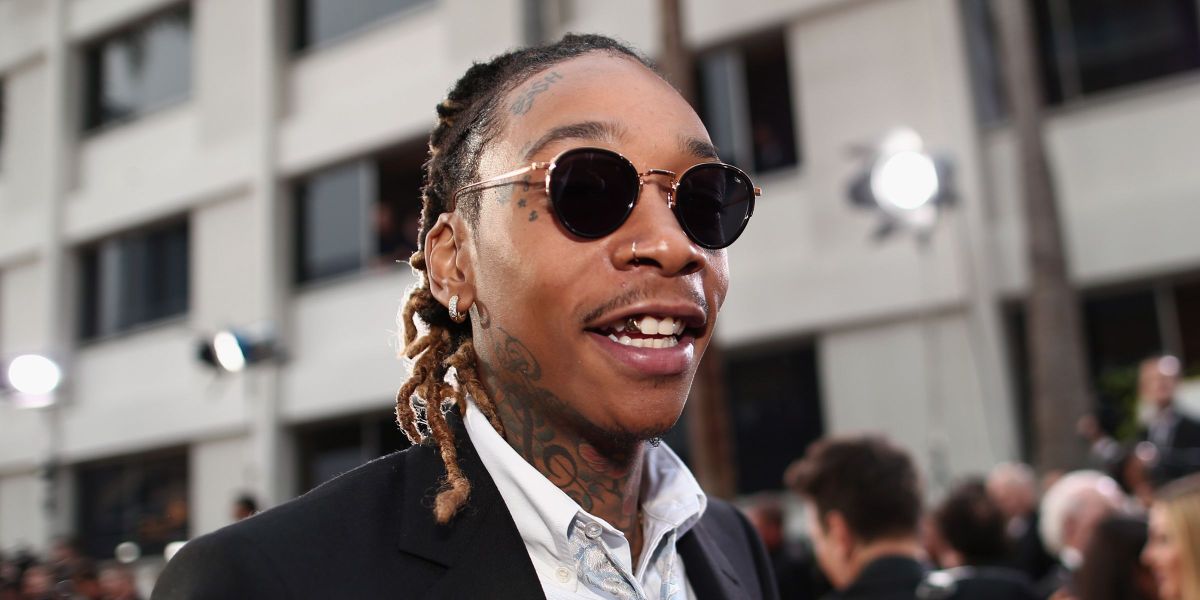
Eyewear Icon: The Real Reason Wiz Khalifa Wears Shades Indoors and 5 Stylish Frames He Has Rocked
June 26, 2026

More Than Just Converse: Inside Wiz Khalifa's Sneaker Rotation and Who Inspired It
June 05, 2026

On The Road: Inside Wiz Khalifa's Secret Routine for Staying Motivated and Eating Healthy On Tour
June 10, 2026

Inside the Rap Beef: The Two Letters That Made Kanye West Lose It on Wiz Khalifa
June 24, 2026

'Man, I Feel the Same Way': The Friendship Habit Wiz Khalifa and His Fans Have in Common
June 19, 2026

Before The Global Stardom: How Wiz Khalifa Reacted To His First 1,000 YouTube Subscribers In 2009
June 09, 2026

Wiz Khalifa's Biggest Spending Weakness and a Deep Dive Into 10 Expensive Outfits He Wore
June 30, 2026

Wiz Khalifa's Pittsburgh: Favorite Spots, Local Tips, and the Story Behind His Rise
June 19, 2026

Who Is Aimee Aguilar? 10 Facts About Wiz Khalifa's Beloved Partner That Might Surprise You
June 10, 2026