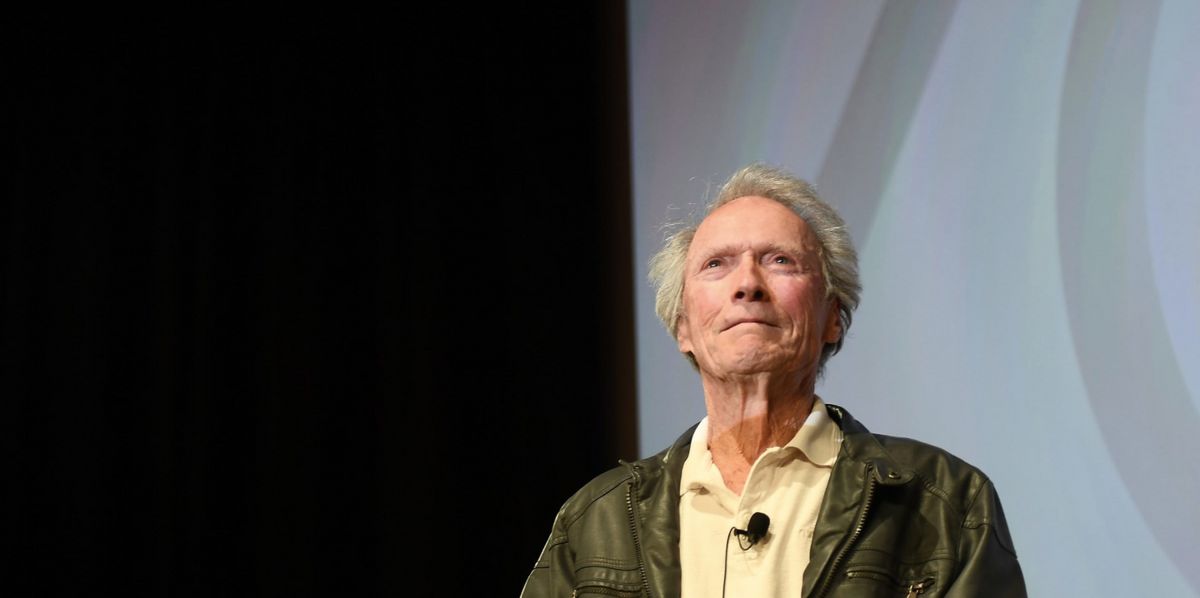
Clint Eastwood | Source: Getty Images
Scott Eastwood Reveals What Once Led to a Conflict Between His Father Clint and Kevin Costner on a 1993 Film Set – Details

Aug 11, 202607:09 A.M.
Behind the polished final cut of the film was a moment that Scott Eastwood says became part of his family's Hollywood lore — one that quietly revealed just how little patience his father had for anything that slowed a production down.
Advertisement
Clint Eastwood has spent decades earning a reputation as one of Hollywood's most efficient directors. But according to his son Scott Eastwood, one encounter on a 1993 movie set put that famously brisk approach to the test, and Clint's response was apparently as uncompromising as fans might expect.
The story involved none other than Kevin Costner, who was one of Hollywood's biggest stars at the time. And while Scott admitted he may not remember every detail perfectly, the lesson he took from the incident clearly stuck with him.

Clint Eastwood has long been known for a stripped-down, highly efficient approach to filmmaking. Scott Eastwood says that same no-nonsense attitude once led his father to make a very quick decision involving Kevin Costner. | Source: Getty Images
Advertisement
Scott Eastwood Opens up About a 'Legendary' Hollywood Story
During an August 3, 2026, appearance on "Armchair Expert," Scott opened up about what he called a "legendary story" involving his father and Kevin on the set of "A Perfect World."
The 1993 crime drama placed two major stars opposite each other, with Kevin playing escaped convict Butch Haynes and Clint portraying Texas Ranger Red Garnett. Clint also directed the film, which additionally starred Laura Dern, Linda Hart and Bradley Whitford.
As Scott recalled, "I'm sort of going to paraphrase it, and I'll probably tell it a little wrong. But Kevin Costner – sort of going through, maybe, the Kevin Costner rise to fame – … maybe got a big ego."

"A Perfect World" brought Clint Eastwood and Kevin Costner together in 1993, with Eastwood directing and co-starring opposite Costner. Decades later, Scott Eastwood revealed that the production allegedly included a memorable behind-the-scenes clash. | Source: Getty Images
Advertisement
Clint Eastwood's No-Nonsense Reputation Makes the Story Even More Telling
Over the years, Clint has become famous for keeping his productions moving quickly and avoiding unnecessary fuss. He has even developed a reputation for frequently being satisfied with an actor's first or second take.
In a 2012 discussion about his filmmaking process published by IndieWire, Clint explained his reputation by clarifying that he did not literally finish every scene in only one or two attempts. For Clint, the bigger point is maintaining momentum.

Eastwood's directing philosophy has famously prioritized momentum, instinct and keeping a production moving. He has said that crews work best when they feel they are accomplishing something rather than endlessly repeating the same scene. | Source: Getty Images
Advertisement
"You have to keep the crew and the production going at a business-like pace so they get the feeling they are part of something that's actually moving forward," [sic] he explained.
At the same time, Clint has stressed that efficiency does not mean creating a tense working environment. Quite the opposite: he has described a calm and comfortable set as essential to helping actors do their best work.

Eastwood built a reputation for running calm, businesslike sets and often favoring an actor's first or second take. That working style helps explain why Scott's story about a delay on "A Perfect World" is especially striking. | Source: Getty Images
That combination — relaxed atmosphere, minimal fuss and constant forward movement — became one of the defining features of his directing style. His unusually stripped-down filmmaking methods have even helped earn him the nickname "One-Take Clint."
Advertisement
As Yahoo Entertainment noted while looking back at his approach, Clint became known as Hollywood's ultimate minimalist, often favoring instinctive early performances over repeated rehearsals and endless takes.
He also became famous for running sets without some of the theatrics traditionally associated with directing. Rather than barking instructions through a megaphone, he has preferred quieter cues and trusted experienced casts and crews to know what they are doing.

Eastwood has spent decades developing a filmmaking method based on simplicity, flexibility and trust in his cast and crew. His approach became so distinctive that he earned the industry nickname "One-Take Clint." | Source: Getty Images
As the silver screen icon once put it, "I realized that actors need a little bit of time to think, not feel pressured about the whole thing, because not all of them are extroverted people who can't wait to clown around in front of a camera. They want to stay there and get into a role, and I want to keep them there as long as they want to be there."
Advertisement

Scott Eastwood says his father also taught him to stay close to the action rather than retreating between scenes. Clint's advice was simple: if you want to learn how movies are made, "you stay here with everybody else, and you make the damn movie." | Source: Getty Images
What Kevin Did on Set Allegedly Tested Clint's Patience
Against that backdrop, Scott's story about Kevin becomes considerably more revealing, because according to Scott, the problem was not simply a disagreement about how to play a scene; it was about whether Kevin was going to appear for the scene at all.
"Apparently, Kevin wouldn't come out of his trailer for some reason," Scott said. That, according to Scott's retelling, was the moment Clint decided he was not going to allow the production to grind to a halt.
Advertisement
Kevin was supposed to be part of the scene being shot, but after Clint learned that his co-star was still inside his trailer, Scott said his father delivered an astonishingly simple solution: "Well, send him home then."

Clint Eastwood and Kevin Costner worked closely on "A Perfect World," with Eastwood serving as both director and co-star. Scott Eastwood's recent recollection suggests that their collaboration also included one particularly memorable test of authority behind the scenes. | Source: Getty Images
Rather than wait indefinitely, Scott claimed Clint simply decided to make the scene without him. When Kevin heard what had happened, he was stunned. "[Costner] said, 'What do you mean? I'm in the scene,'" Scott recalled.
The response from the crew, as Scott remembered it, was just as blunt: "Well, I guess you're not anymore. Clint changed that." And apparently, the message landed. "And so I think the next day he was on set ready to go," Scott added.
Advertisement
Scott did make clear at the beginning of the story that he was paraphrasing and might have some details wrong, making his account a recollection rather than a definitive blow-by-blow record of the incident. USA Today also reported that it had reached out to a representative for Kevin for comment.

Eastwood has long said that keeping a movie moving forward is one of his biggest priorities as a director. That philosophy helps explain why, according to Scott, he was unwilling to let one delayed actor hold up a scene. | Source: Getty Images
Reports of Tension Between Kevin and Clint Had Surfaced Before
Still, the anecdote is particularly intriguing because stories about tension between Kevin and Clint have circulated before. A 2025 profile in The Hollywood Reporter noted that Kevin had developed a broader reputation in Hollywood for being difficult at times and specifically referenced reports of creative differences between him and Clint during "A Perfect World."
Advertisement
The publication also detailed other disputes and strained professional relationships involving Kevin over the years, including reported clashes with Kurt Russell and a legal dispute with longtime Producing Partner Jim Wilson.
Such issues allegedly involved ignoring advice, overruling directors, rewriting scripts without warning, and clashing with co-stars.

Reports of creative tension between Eastwood and Costner on "A Perfect World" have circulated for years. Scott's version of events now offers a striking possible glimpse into how one of those disagreements reportedly unfolded. | Source: Getty Images
However, Kevin's former Agent Rick Nicita offered a more nuanced interpretation of the star's reputation. "The word difficult gets used a lot," Rick began.
Advertisement
He then argued that Kevin is not the kind of actor who habitually failed to know his lines or treated others rudely. Instead, Rick described him as someone with an extremely strong idea of what he wants. "He wanted what he wanted and knew what he wanted and if he didn't get it … well, he was never a great compromiser," Rick shared.
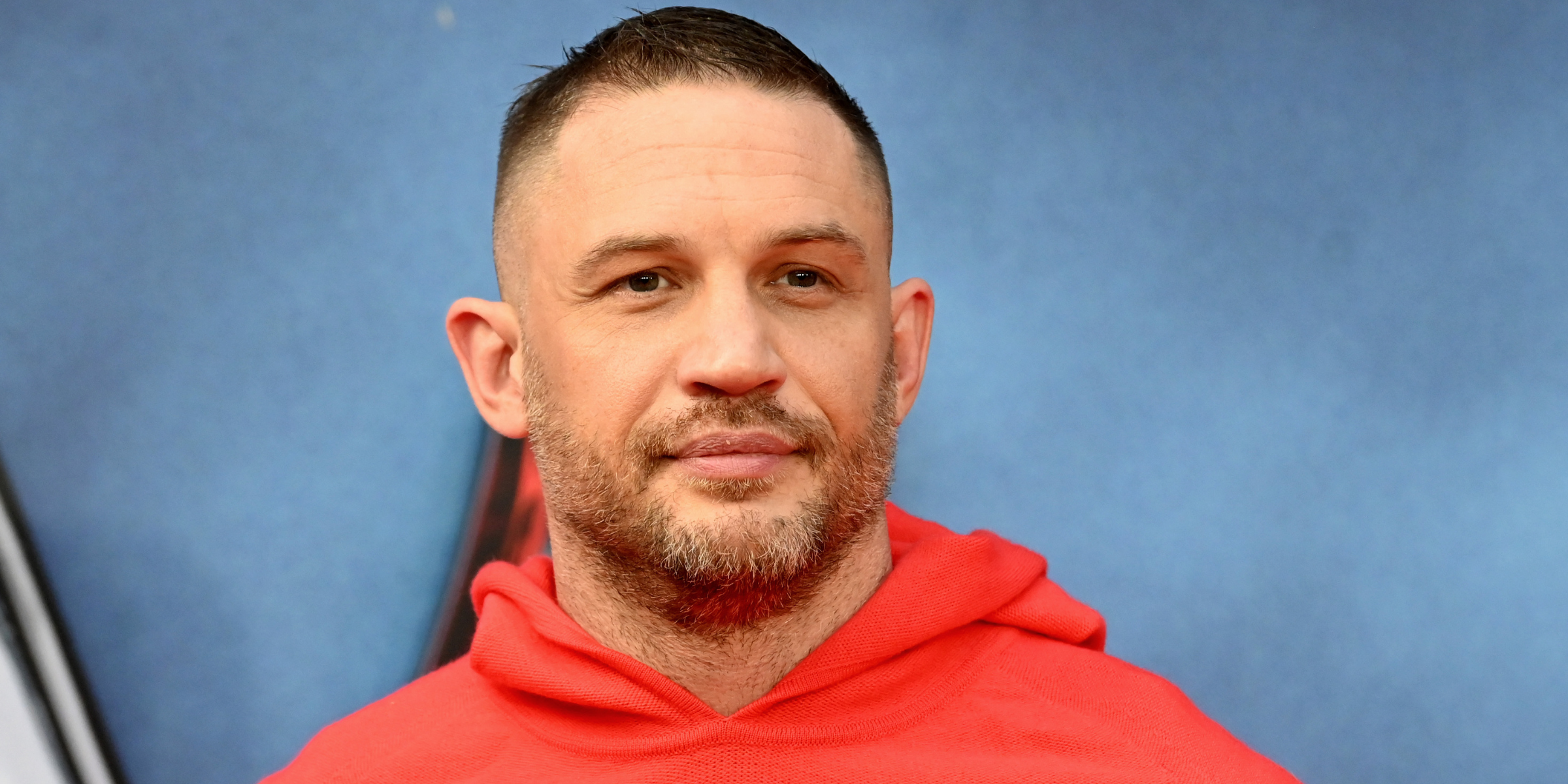
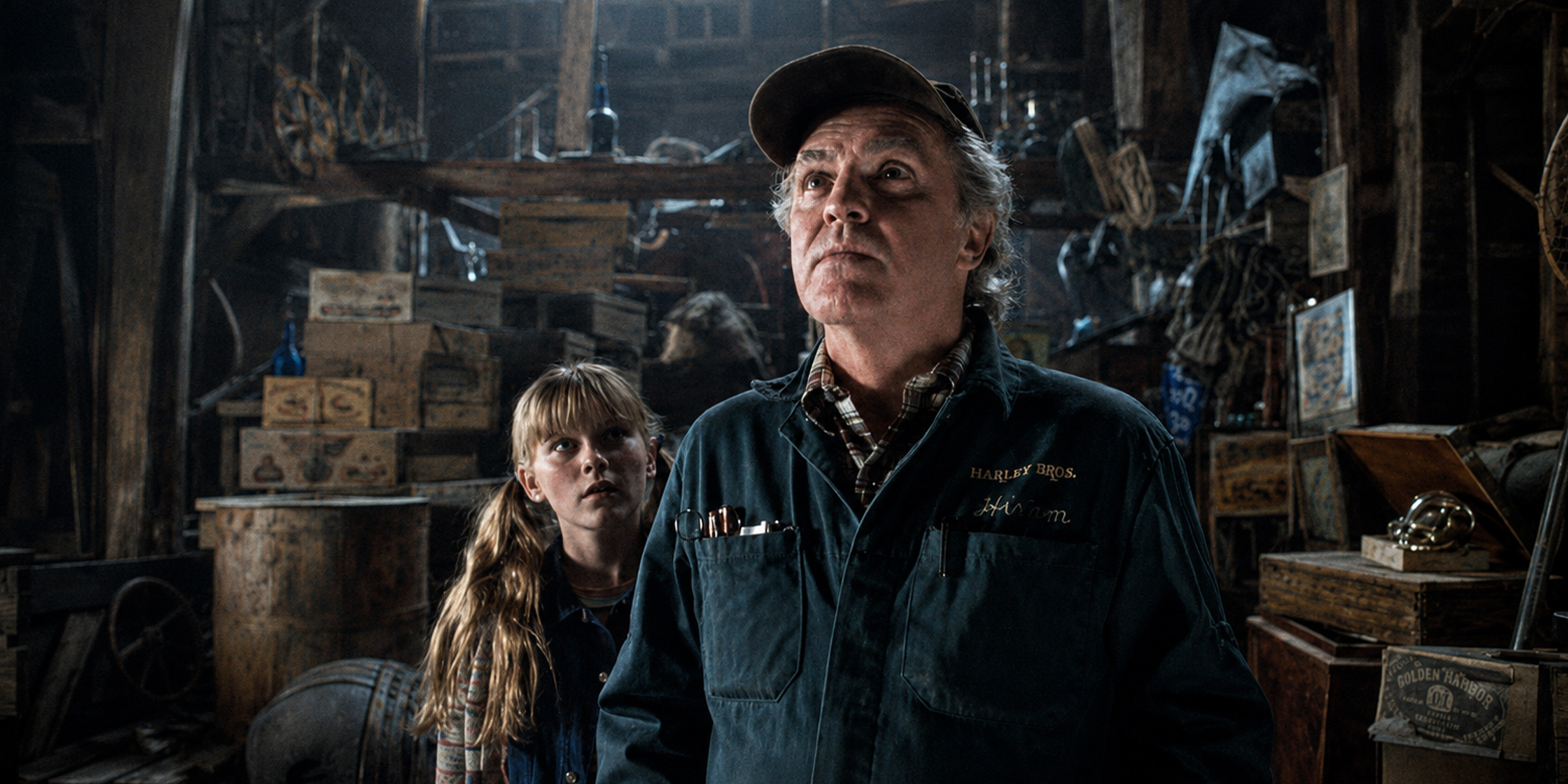
"It's a firm belief in himself and a confidence that to some can play as arrogance." Interestingly, Rick even used an actor refusing to leave a trailer as an example of what people might mean when loosely throwing around the word "difficult,” though he insisted that description did not represent Kevin as he knew him.

Scott claimed the decisive moment came when Costner allegedly would not leave his trailer despite being scheduled for a scene. Eastwood's reported answer was startlingly simple: change the scene and carry on without him. | Source: Getty Images
Advertisement
Scott Says the Incident Shaped His Own Approach to Movie Sets
Meanwhile, Scott's story appears to have had a lasting effect on his own behavior as an actor. He explained that Clint was never someone who liked disappearing into a trailer between scenes. Instead, his father preferred to remain close to the action and stay focused on the movie being made.
"He always told me, too, as a kid, 'You want to learn how to make movies? You want to learn how to do this? You stay here with everybody else, and you make the damn movie,'" Scott recalled. For Scott, that seems to be the larger lesson behind a piece of Hollywood lore that is entertaining on the surface but also says something deeper about his father's work ethic.

Scott Eastwood says his father's uncompromising work ethic became an important lesson in his own acting career. Clint taught him that learning filmmaking meant staying with the crew, remaining engaged and helping "make the damn movie." | Source: Getty Images
Advertisement
Clint's philosophy has long been built around keeping an entire production moving rather than allowing one individual — no matter how famous — to become bigger than the movie.
And if Scott's recollection is accurate, Kevin Costner found that out in spectacularly direct fashion on "A Perfect World." There was no prolonged showdown, dramatic confrontation or endless waiting outside a star's trailer; Clint simply changed the scene, and, at least according to his son, Kevin was ready to work the next day.
Advertisement
Advertisement