
Family Fundraiser for Assistance Vanishes as Karmelo Anthony Files Notice of Appeal Without Attorney
June 12, 2026



The star, who appeared in some of the UK's most beloved productions, quietly endured financial ruin after placing her trust in a long-time friend who would ultimately betray her, leaving her struggling to afford necessities.
Once a familiar face on British television, Meg Wynn Owen's final years unfolded in stark contrast to the celebrated career that once defined her, revealing a deeply troubling story of trust, vulnerability, and financial exploitation.

Meg Wynn Owen and the cast of "Upstairs, Downstairs" photographed on 24 May 1974. | Source: Getty Images
Best known for her roles in "Upstairs, Downstairs," "Doctor Who," "Pride and Prejudice," and "Love Actually," the actress — born Margaret Wright — spent her later years in a Cardiff care home battling dementia.
However, behind closed doors, her financial security was quietly being stripped away by someone she had trusted for decades. That person was Brian Malam, a costume designer and long-time friend whom Owen had met through their work at the BBC.

Meg Wynn Owen and her cast mates photographed for "Upstairs, Downstairs" in 1974. | Source: Getty Images
The consequences were both immediate and deeply distressing.
In 2014, as her condition worsened and she required support managing her affairs, Malam was granted power of attorney over her finances — a legal responsibility intended to safeguard her wellbeing.
Instead, the court later heard, it became the means through which he systematically depleted her life savings. Over a period of around four years, Malam siphoned off approximately £65,000.

Meg Wynn Owen and others protesting over the detention of South African bantustans, John Kani and Winston N'tshona, outside the South African Embassy on 13 October 1976 in London, England. | Source: Getty Images
The money was taken through a combination of bank transfers into his own account, direct spending, and repeated cash withdrawals. Despite being entrusted with ensuring Owen's care needs were met, he failed to provide sufficient funds for essentials.
One of his key responsibilities had been to deposit money into a dedicated account used by care home staff to purchase items for actress Owen. Yet, aside from a handful of payments, this obligation was largely ignored.

Tim Curry and Meg Wynn Owen photographed for "Will Shakespeare" in Elstree, England, 1978. | Source: Getty Images
The consequences were both immediate and deeply distressing. With no funds available, staff were unable to buy her clothes or arrange professional hairdressing services.
By the time the case came to light, the actress's finances had been almost entirely drained.
As a result, Owen was forced to wear clothing that had belonged to deceased residents, while care staff stepped in to cut her hair themselves — a situation that underscored the extent of her financial and personal decline.

Meg Wynn Owen and her cast mates filming a scene in "Will Shakespeare" in Elstree, England, 1978. | Source: Getty Images
The court also heard that Malam's presence in her life diminished over time. Initially visiting her at the care home, his visits became increasingly infrequent before stopping altogether, even as he continued to access her finances.

Meg Wynn Owen and her cast mates whil shooting "Will Shakespeare" in Elstree, England, 1978. | Source: Getty Images
Concerns were eventually raised in October 2014 when care staff accompanied Owen to her bank, where a review of her statements revealed irregularities. Prosecutor Abigail Jackson later told the court:
"Mrs Wright became terribly upset about it."

Meg Wynn Owen and her cast mates on the set of "Will Shakespeare" in Elstree, England, 1978. | Source: Getty Images
The matter was first referred to the Office of the Public Guardian, which launched an investigation before passing the case to the police, where an inquiry formally began in September 2020.
By the time the case came to light, the actress's finances had been almost entirely drained. One of her bank accounts showed an overdraft of £1,750.12, which was later written off, while another contained just £229.94.

Meg Wynn Owen and her cast mates filming "Will Shakespeare" in Elstree, England, 1978. | Source: Getty Images
Two additional accounts held only 72p and 21p respectively — stark figures that illustrated the scale of the loss. Following his arrest, Malam admitted to taking "tens of thousands of pounds" but insisted he had intended to repay the money.
He claimed it had been used primarily to fund materials for his costume design business and suggested he believed Owen would have wanted him to have the funds, as she had once indicated he might inherit her estate.
The judge also highlighted how Owen's isolation — with little to no contact from other friends or family — may have emboldened the offending, as it reduced the likelihood of immediate detection.
The costume designer's defence also pointed to personal struggles, including excessive alcohol consumption following the breakdown of a relationship, arguing that his life had spiralled "into a miasma of drink" during this period.

Meg Wynn Owen at the premiere of "Gosford Park" on 3 December 2001 at the Ziegfeld Theater in New York, United States. | Source: Getty Images
It was further claimed that the stolen money had not been spent on luxury items but rather on sustaining his business. The judge, however, rejected these explanations.
In sentencing Malam at Cardiff Crown Court, a judge emphasised the gravity of the breach of trust, noting that the power of attorney carried significant legal and moral responsibility.

Meg Wynn Owen at the premiere of "Gosford Park" on 3 December 2001 in New York, United States. | Source: Getty Images
He told the defendant that he had "betrayed" a vulnerable woman who had relied on him, adding that he continued taking money knowing it was unlikely to ever be repaid.
The judge also highlighted how Owen's isolation — with little to no contact from other friends or family — may have emboldened the offending, as it reduced the likelihood of immediate detection. In a stark assessment of the harm caused, the judge said:
"The position was that you were taking money from her bank account in significant funds and either transferring into your own account or spending it directly. As time went on, you simply continued in what you were doing [...]."

Meg Wynn Owen at the premiere of "Gosford Park" on 3 December 2001 in New York, United States. | Source: Getty Images
"She was reduced by your actions towards her," the judge added. Malam, then aged 60 and of Grangetown, Cardiff, subsequently pleaded guilty to fraud by abuse of position.
Taking into account his plea, he was sentenced to 32 months in prison — the equivalent of two years and eight months — and was set to serve up to half of that term in custody before being released on licence.
Owen sadly passed away in June 2022, before seeing the full outcome of the case that exposed the exploitation she endured in her final years.

The information in this article is not intended or implied to be a substitute for professional medical advice, diagnosis or treatment. All content, including text, and images contained on news.AmoMama.com, or available through news.AmoMama.com is for general information purposes only. news.AmoMama.com does not take responsibility for any action taken as a result of reading this article. Before undertaking any course of treatment please consult with your healthcare provider.
Family Fundraiser for Assistance Vanishes as Karmelo Anthony Files Notice of Appeal Without Attorney
June 12, 2026

ITV Changes the Live 'Britain's Got Talent' Schedule as Fans Urge Channel Bosses to Ban Controversial Acts After Fakir Testa's Performance with Simon Cowell — Video
April 20, 2026

Jane Fonda Pays Tribute to Ex-Husband Ted Turner After His Passing, Sharing 5 Personal Facts
May 06, 2026

A Stunning British Model of the 1970s Aged Gracefully for Decades, Until a Cruel Diagnosis Came – But She Proves True Beauty Shines Through Even After Illness at 73
May 05, 2026

Meghan Markle's Outfit at a California Screening Has Netizens Divided Over Her Shorts — Photos
July 31, 2026

Peabo Bryson's Family Story Reveals Never-Before-Seen Details — Photos
June 03, 2026

David Haye, 45, and Adam Thomas, 37, Clashed on 'I'm a Celebrity' Before Haye's Eviction – Video That Ignited Buzz
April 21, 2026

Anna Nicole Smith's Daughter Dannielynn Stuns with Surprising Career Aspirations — Photos
May 04, 2026
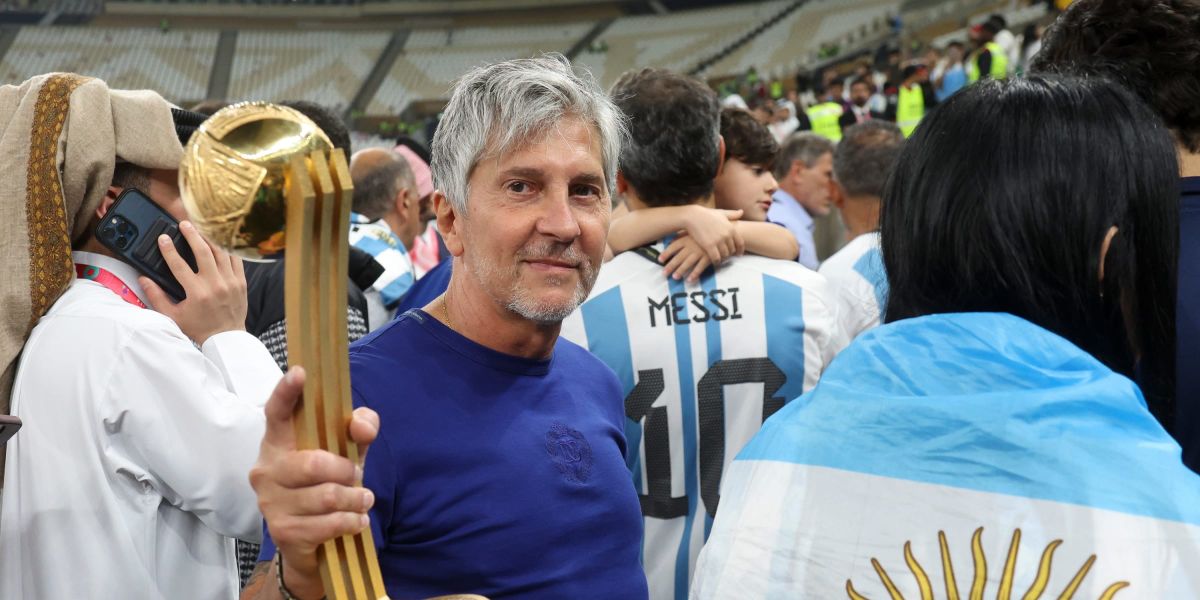
Jorge Messi, the Man Behind Lionel's Rise to Greatness, Dies at 68 in His Hometown in Argentina
August 09, 2026

Claude Lemieux’s Friend Shares Details About His Final Days in a Social Media Post
May 29, 2026

Claude Lemieux's Final Days Reveal Heartbreaking Truth Behind Hockey Star's Struggles
June 01, 2026